For the hospitality industry, the weather has always been part of the business. A rainy summer can affect beach reservations, an unusually warm winter can disrupt ski seasons, and extreme temperatures can make certain destinations less appealing. But as a particularly strong El Niño develops across the Pacific, the implications are becoming harder for hotel owners, investors and tourism operators to ignore.
The current event, which strengthened significantly during 2026, is expected to persist into the first half of 2027. NOAA's October outlook forecasts warmer conditions across much of the northern United States and increased rainfall across the South. Meanwhile, the World Meteorological Organization warns that parts of the western Pacific face prolonged rainfall deficits, raising concerns about water supplies in countries already experiencing drought.
For hospitality, this is not simply a question of whether fewer tourists will travel. It is about the growing unpredictability of operating a business that depends on stable weather, accessible infrastructure and reliable natural resources.
The consequences are already visible in parts of Asia and Latin America. In Indonesia, the national meteorological agency reported that 1,637 locations had experienced more than 60 consecutive days without rain by September. Bali was among the affected areas, raising concerns for an industry heavily dependent on water intensive resorts, swimming pools, landscaping and laundry operations. In the Philippines, tourism authorities have urged hotels, restaurants and resorts to introduce water conservation measures and prepare contingency plans ahead of potential shortages.
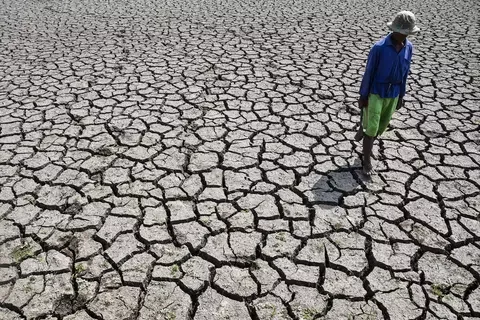
The financial implications extend well beyond utility bills. Water scarcity can increase procurement costs, restrict hotel operations and create tension between tourism businesses and local communities. For destinations already managing limited resources, the question becomes how much additional tourism infrastructure the environment can realistically support.
In Ecuador, the picture is different. Government reports recorded more than 1,300 adverse rainfall events across 24 provinces between late August and November, including flooding and landslides. For coastal tourism businesses, the immediate concern is accessibility. A hotel can remain perfectly operational, but if roads are damaged or transfers become unreliable, guests may cancel their trips altogether.
Northern Peru offers a particularly revealing business case. According to reporting by Gestión, Piura recorded 353,852 arrivals at accommodation establishments between January and April 2026, down 4.5% from the previous year and 23.4% below 2019. The region's hotel operators are now preparing for further uncertainty during the 2027 summer season. The risk is especially significant because approximately 82% of domestic visitors reach northern Peru by road. The regional Chamber of Commerce estimates that each day of road disruption could put around S/3 million in tourism activity at risk.

Not every destination, however, will experience the same consequences. El Niño changes weather patterns unevenly, creating potential winners as well as losers. NOAA's 2026–27 winter outlook anticipates warmer conditions across much of the northern United States, potentially challenging destinations dependent on reliable snowfall, while wetter conditions are favored across the southern states. For ski resorts, outdoor attractions and seasonal operators, even relatively small changes in weather can influence booking patterns and operating costs.
The broader tourism figures also require perspective. UN Tourism reported approximately 690 million international arrivals during the first half of 2026, representing growth of 0.4% compared with the same period in 2025. There is currently no credible evidence that El Niño has caused a global decline in tourism revenue. Its impact is regional, and other factors, including geopolitical instability, airfare prices and inflation, continue to influence travel decisions.
For hotel groups, this creates a new challenge in investment planning. Geographic diversification, reliable water infrastructure, energy efficiency and contingency planning are becoming increasingly important considerations when developing or acquiring properties. Independent hotels face an even more concentrated risk, particularly when their entire business depends on a single destination.
Perhaps the biggest lesson is that hospitality can no longer treat climate conditions as an occasional operational inconvenience. The destinations that attract travelers are also environments with physical limits, and the cost of ignoring those limits can eventually appear on a hotel's balance sheet.
Luxury hotels may compete through design, service and experience, but none of these can compensate for an unreliable water supply, inaccessible roads or a deteriorating natural environment. As El Niño develops into 2027, the industry's ability to anticipate these risks may become just as important as its ability to attract guests.