A luxury handbag used to be an ambitious purchase for a much wider group of people. It might take months of saving, a birthday or a career milestone to justify the expense, but owning something from a prestigious fashion house felt like an attainable reward. Today, for an increasing number of shoppers, that same purchase is moving further out of reach.
The recent fall in luxury stocks, triggered partly by fears that wealthy American consumers could spend less if technology-related fortunes come under pressure, brought renewed attention to the industry's dependence on affluent shoppers. But the vulnerability is not new. Luxury brands have been losing customers for several years, and the industry's response has increasingly been to focus on those who can afford to spend the most.
The question is whether a business built on exclusivity can afford to become so dependent on such a small group of people.
The Customers Luxury Is Losing
According to Bain & Company's global luxury research, the number of luxury consumers worldwide fell from approximately 400 million in 2022 to 350 million in 2024. Its subsequent 2025 estimate put the figure at around 340 million.
That is a significant contraction for an industry accustomed to expanding its reach. More revealing, however, is how spending has become concentrated. Bain estimates that the wealthiest 2% of luxury customers accounted for 45% of purchases in 2024, compared with 35% in 2021.
In practical terms, a much smaller group of very wealthy shoppers is now responsible for a larger share of the industry's business.
This helps explain why luxury houses have devoted so much attention to their highest-spending clients. These customers are less likely to be affected by everyday increases in living costs and can continue purchasing expensive watches, jewelry, handbags and clothing when other shoppers begin cutting back.
But the customers disappearing from the market matter, too. They include people who may not buy a designer handbag every season but might purchase a wallet, shoes or a small leather accessory once or twice a year. They are the aspirational customers: people who have the means to buy some luxury goods, even if they cannot afford the most expensive pieces.
Their individual spending may be modest compared with that of a wealthy collector, but collectively they represent a substantial market.
How Luxury Made Itself More Expensive
One reason fewer people are buying is that luxury has become considerably more expensive.
Over recent years, major brands have repeatedly increased prices, particularly on recognizable products such as handbags and leather goods. Higher prices helped protect revenues during a period of slower sales, while also reinforcing the perception of exclusivity.
However, there is a limit to how far this strategy can go.
The 2026 State of Fashion report from Business of Fashion and McKinsey estimates that approximately 80% of luxury market growth between 2023 and 2025 came from price increases rather than selling more products. In other words, much of the industry's growth came from charging existing customers more, not attracting more buyers.
The report also found that 35% of aspirational luxury shoppers had reduced or postponed their spending.
This is where the strategy becomes problematic. When prices rise faster than customers' perception of quality, craftsmanship or desirability, people begin to question what they are paying for. A handbag may still carry a prestigious name, but that alone does not guarantee that its price feels justified.
Luxury is discovering that exclusivity can attract customers, but it can also push them away.
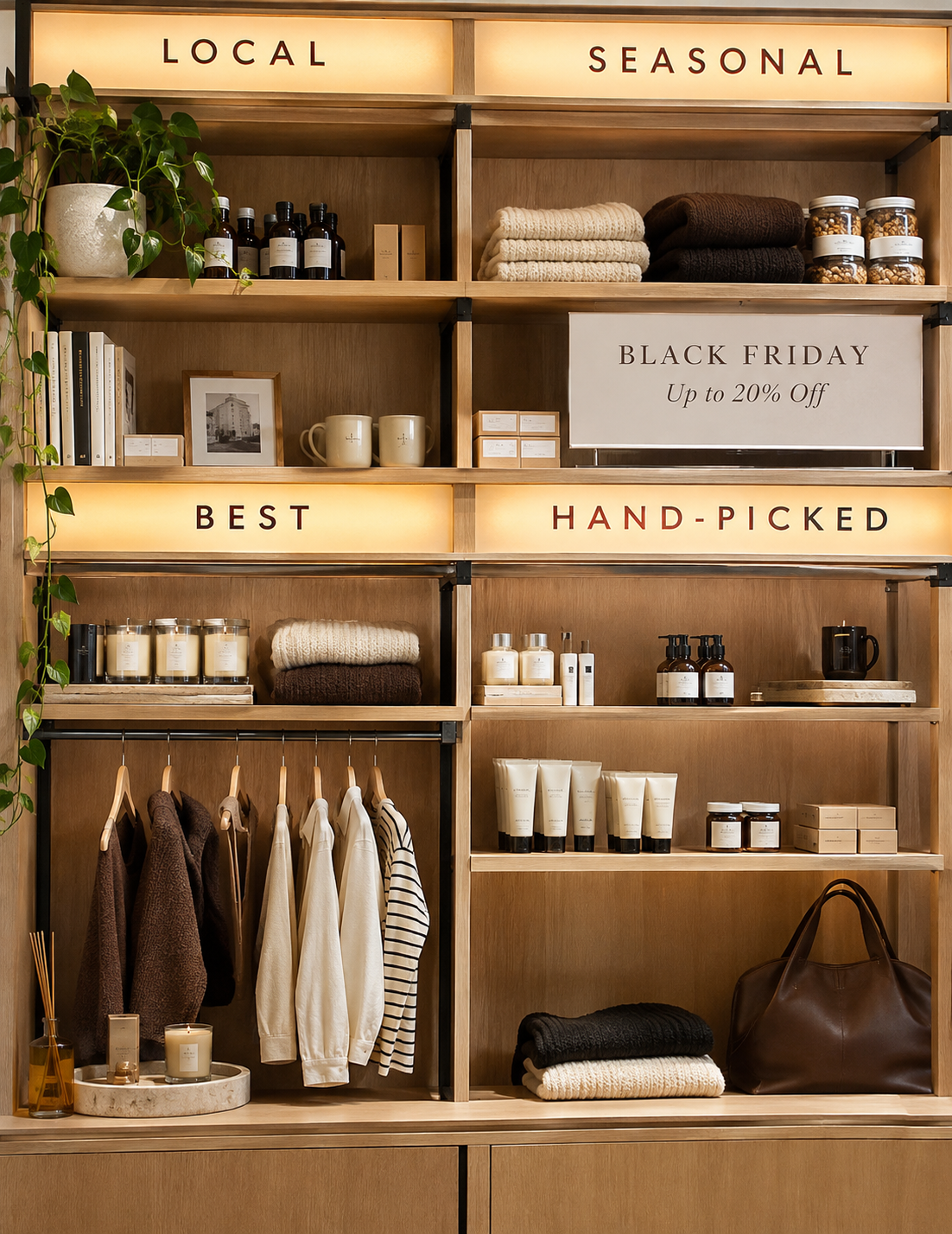
People Still Want Luxury. They Are Finding Other Ways To Buy It
There is an important distinction between consumers losing interest in luxury and consumers deciding that buying new at full price no longer makes sense.
The growth of the resale market is evidence of that difference. According to the 2026 State of Fashion report, the secondhand fashion and luxury market is forecast to grow two to three times faster than the first-hand market through 2027. Almost 60% of consumers surveyed said they were likely to shop resale in 2026.
For shoppers, secondhand platforms offer access to brands and products that may otherwise be unaffordable. They can buy an older-season handbag, a pre-owned watch or a designer jacket at a lower price, often while benefiting from the longevity and recognition associated with the original brand.
This creates an interesting challenge for luxury houses. Their products remain desirable, but some customers are increasingly choosing to access them outside the traditional retail model.
Meanwhile, consumers are directing more of their discretionary spending toward travel, wellness and experiences. A luxury purchase is competing not just with another handbag, but with a holiday, a memorable restaurant or a different kind of personal investment.
The industry can no longer assume that aspiration automatically translates into a purchase.
Luxury Needs To Give Customers A Reason To Come Back
The answer is not necessarily to make luxury accessible to everyone. Exclusivity remains an essential part of what makes these brands desirable. Nor should every house compete on price.
But there is a difference between exclusivity built on exceptional products and exclusivity created primarily through increasingly expensive price tags.
The strongest brands understand that customers need a reason to believe in the value of what they are buying. That means investing in design, materials, craftsmanship, service and the experience of owning a product. It also means offering different ways for customers to engage with a brand without making every purchase feel financially out of reach.
The recent stock market reaction may have focused investors' attention on the spending power of America's wealthiest shoppers. But the longer-term challenge for luxury is much closer to home: the industry needs to rebuild its relationship with the people who have gradually been priced out.
The wealthiest customers will remain important. They will continue to buy rare pieces, build collections and support the most exclusive parts of the market. But they cannot be the only answer to growth.
An industry that once turned aspiration into desire must be careful not to make aspiration irrelevant. Because when fewer people feel they can participate in luxury, the brands may become more exclusive, but the market they depend on becomes smaller.