Luxury consumers still aspire to own high-end fashion, but their relationship with luxury is changing. A new international study commissioned by Snap, WPP Media and research institute IFOP suggests that regular interactions, product storytelling and digital experiences are becoming increasingly important in building desire.
The research surveyed 9,000 luxury consumers aged 18 to 45 across nine markets. While 78% said they still aspire to luxury, 65% felt the category had lost some of its exclusivity. The findings highlight a challenge for established fashion houses: how to remain desirable as their products, campaigns and brand identities become more visible across digital platforms.
Desire Before Ownership
According to the study, 79% of respondents said small, regular interactions with a brand build desire more effectively than occasional, large-scale campaigns. Meanwhile, 39% of luxury shoppers reported interacting with a product at least four times before purchasing it.
For brands, this suggests that the path to a purchase extends well beyond the moment someone sees a campaign or enters a boutique. Social content, conversations, cultural references and repeated exposure can all contribute to how consumers perceive a product before deciding whether to buy it.
The research also points to the continued importance of heritage and craftsmanship. Eighty per cent of respondents said they felt greater desire for an iconic product when they learned more about its history, craftsmanship or manufacturing process. For luxury houses, communicating what makes a product distinctive may be as important as showing the finished item.
This aligns with broader industry research. Accenture’s Luxe Eternal report found that 60% of surveyed luxury customers said brand storytelling engages them emotionally. However, the same research found that half felt luxury brands were becoming more focused on commercial interests than on inspiring consumers. Storytelling matters, but it must feel credible rather than simply serve as another sales technique.
Technology as Part of the Experience
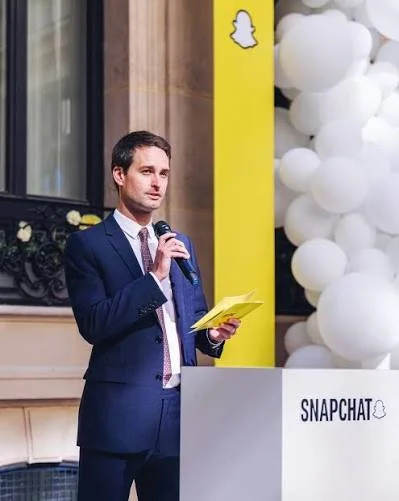
Snapchat is positioning augmented reality (AR) as one way for brands to turn passive interest into active engagement. At its Crafted for Luxury event in Paris, brands including Dior and Balenciaga demonstrated interactive digital experiences, allowing visitors to explore products through their smartphones. According to the study, 71% of respondents believed AR and virtual try-on experiences could turn interest into desire.
There is, however, an important distinction between expressing interest and making a purchase. The findings measure consumer attitudes, not demonstrated sales growth, and the study was commissioned by companies with a commercial interest in digital advertising and marketing.
Still, the research raises a relevant question for luxury brands. If consumers can increasingly access brand imagery and products online, exclusivity may depend less on controlling visibility and more on creating meaningful connections around design, craftsmanship and heritage. The challenge is to make luxury more engaging without making it feel ordinary.