For years, fashion's biggest growth conversations have revolved around handbags, sneakers and the next must-have accessory. But the category attracting some of the strongest growth forecasts is one that has been part of our wardrobes for centuries: jewelry.
According to The State of Fashion 2026, published by McKinsey & Company and The Business of Fashion, jewelry is expected to be the fastest-growing fashion category by unit sales through 2028, expanding at almost four times the rate of clothing. Both fine and costume jewellery are forecast to grow by 5.3% to 5.6% annually, while lab-grown diamonds are expected to grow considerably faster, at 15% to 16%.
The figures are striking, particularly in an industry where overall fashion growth in Europe is forecast at just 1% to 2%. But the more interesting story is not simply that consumers are buying more jewelry. It is how and why they are buying it.
Jewelry has traditionally been associated with milestones: engagements, anniversaries, birthdays and other occasions that justify a special purchase. That relationship is changing. McKinsey's consumer research found that 42% of women and 35% of men surveyed were buying more jewellery for themselves than they had two or three years earlier. Three quarters said they enjoyed treating themselves to jewelry.
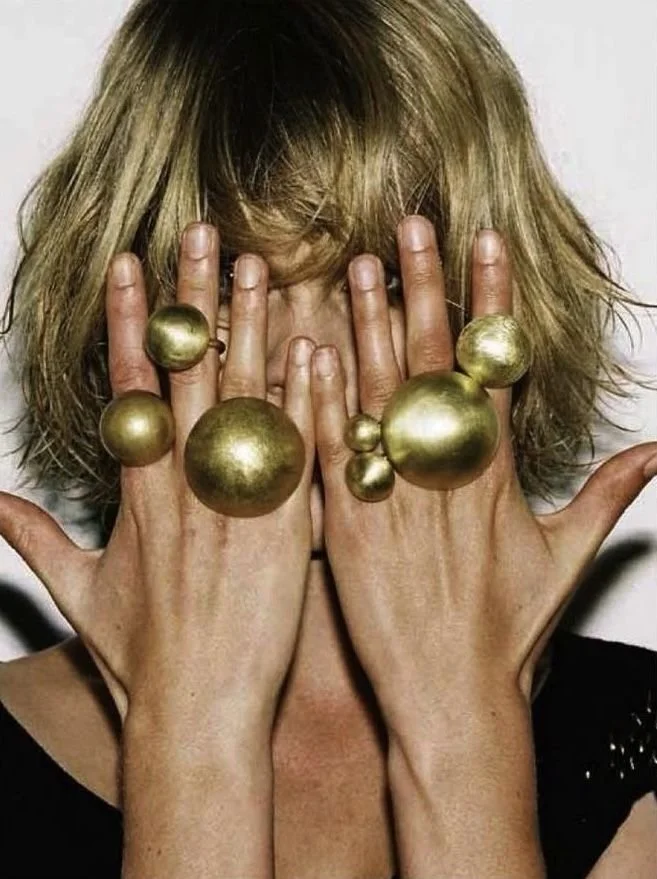
In other words, jewelry is increasingly becoming something people buy because they want it, rather than because an occasion calls for it.
There is also a shift in what people expect jewelry to communicate. For 71% of consumers surveyed, it is a way to express their personality. This helps explain the appeal of individual styling, unusual proportions, vintage pieces, personalised designs and the layering of different materials. Jewelry is moving beyond the role of completing an outfit. It is becoming part of how someone defines their personal style.
The growth is not limited to traditional luxury. Fine jewelry and costume jewelry are both expected to expand, while lab-grown diamonds are opening up another part of the market. Their appeal extends beyond price: they are giving consumers more options in a category historically shaped by material value, rarity and established conventions around what makes a diamond desirable.
Brands are also recognising the opportunity. Branded jewelry accounted for 25% of the market in 2024, according to McKinsey and Business of Fashion. Between 2021 and 2024, branded jewelry sales grew by 8.3% annually, almost twice the rate of unbranded jewelry. For fashion houses, it offers an opportunity to extend their identity into a category that can be worn repeatedly, collected over time and often kept for years.
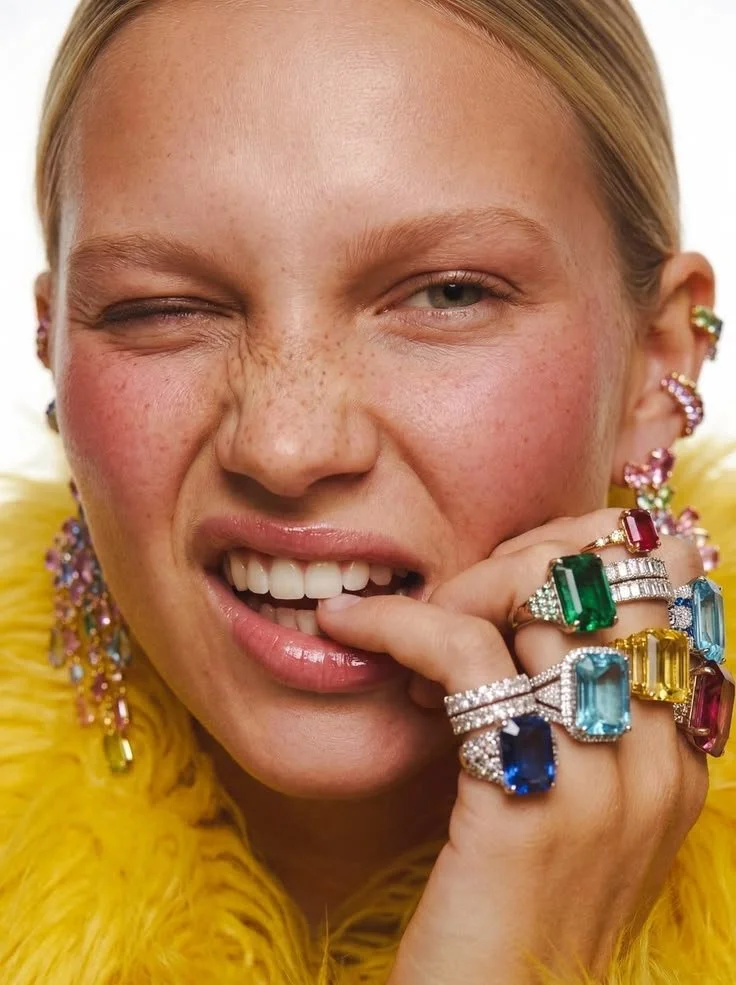
Of course, these are global forecasts, not a guarantee that every jewelry segment or market will experience the same growth. Nor does a rise in spending necessarily mean consumers are buying more pieces, particularly when precious metal prices are changing.
Still, the direction is worth paying attention to. As consumers become more selective about clothing purchases, jewelry offers a different relationship with fashion. A good piece does not necessarily belong to one season, one trend or one outfit. It can become part of someone's everyday uniform.
Perhaps jewelry's biggest opportunity is that it no longer needs to be saved for a special occasion. Increasingly, wearing it is the occasion.