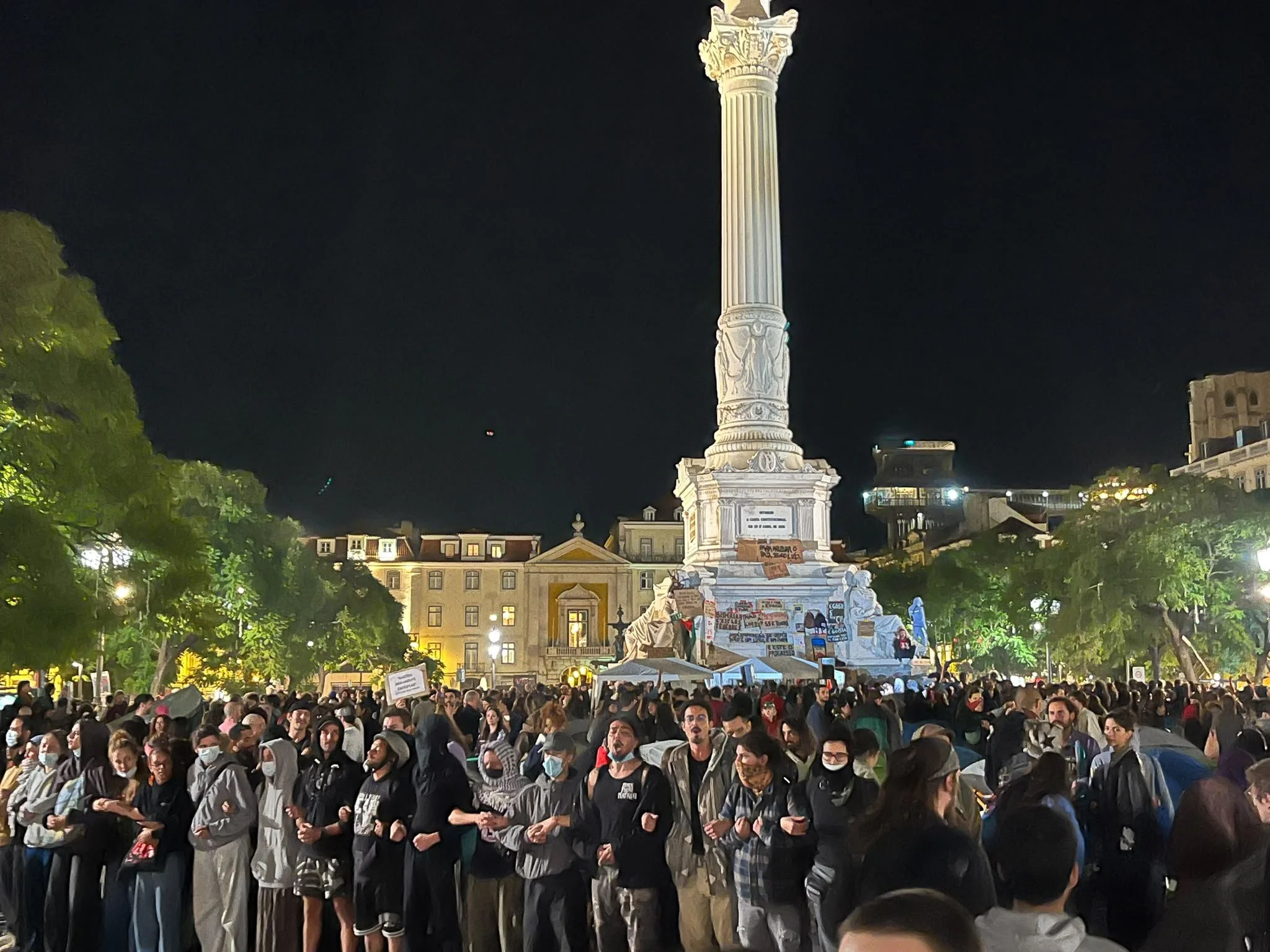
The housing protests in Rossio have raised a question beyond rents and evictions: what happens when the people and places that give Lisbon its character can no longer afford to stay?
On 21 October, an open letter supporting the right to housing gathered 891 signatures, mostly from cultural workers. Signatories included Salvador Sobral, Dino D’Santiago, Valter Hugo Mãe and fashion designer José António Tenente. The letter condemned violence at housing demonstrations and called for dignified housing.
The pressure is measurable. Eurostat reported that Portuguese house prices rose 16.5% year on year in the second quarter of 2026, the highest increase in the EU. In Lisbon, the median rent for new leases reached €16.88 per square metre in 2025, the highest among Portuguese municipalities, according to INE.
The city invited the world in
Foreign residents and tourism did not create Lisbon’s housing crisis alone. But their role cannot be left out, particularly when Portugal spent more than a decade attracting foreign investment, international talent and wealth. The share of residents with foreign citizenship rose from 3.5% in 2014 to 9.8% in 2024, according to Eurostat data cited by the OECD.
Introduced in 2012, the Golden Visa programme offered residency permits for qualifying investments, including property purchases of €350,000 to €500,000. The real estate route ended in October 2023. By then, 11,382 residence permits had been issued to real estate investors. The OECD’s 2026 Economic Survey cites research linking the programme to stronger price growth around the €500,000 investment threshold, although its wider effect on prices has not been fully measured.
Tax policy offered another incentive. Portugal’s Non-Habitual Resident regime gave qualifying new tax residents preferential treatment, including a 20% flat rate on certain Portuguese employment and self-employment income and tax advantages for some foreign-source income and pensions. In 2023, 114,645 beneficiaries were resident in Portugal. The regime closed to most new applicants from 2024, with transitional protection for existing beneficiaries. Its replacement is narrower, focused on scientific research and innovation.
The OECD notes that some migrants are relatively wealthy compared with the domestic population, while many others work in low-paid jobs and need affordable rental housing. But Portugal’s policies were designed to attract investment and skilled professionals. Between 2019 and 2024, foreign demand accounted for around 10% of the value of Portuguese housing transactions, concentrated in more expensive properties. This does not prove that every foreign buyer displaced a local household. It does show that buyers with greater purchasing power were competing in a market where local salaries had not kept pace with housing costs.
Tourism added pressure. Between 2019 and 2024, overnight stays in Portugal rose by 15% and revenue from tourist accommodation by 55%. In Lisbon, Airbnb listings reached 21,181 by December 2024, around 7.6% of all dwellings in the urban area. The OECD cites research linking short-term rentals to local housing prices, although the effects are concentrated in particular areas.
The spaces that give a city its character are not always in the guidebooks
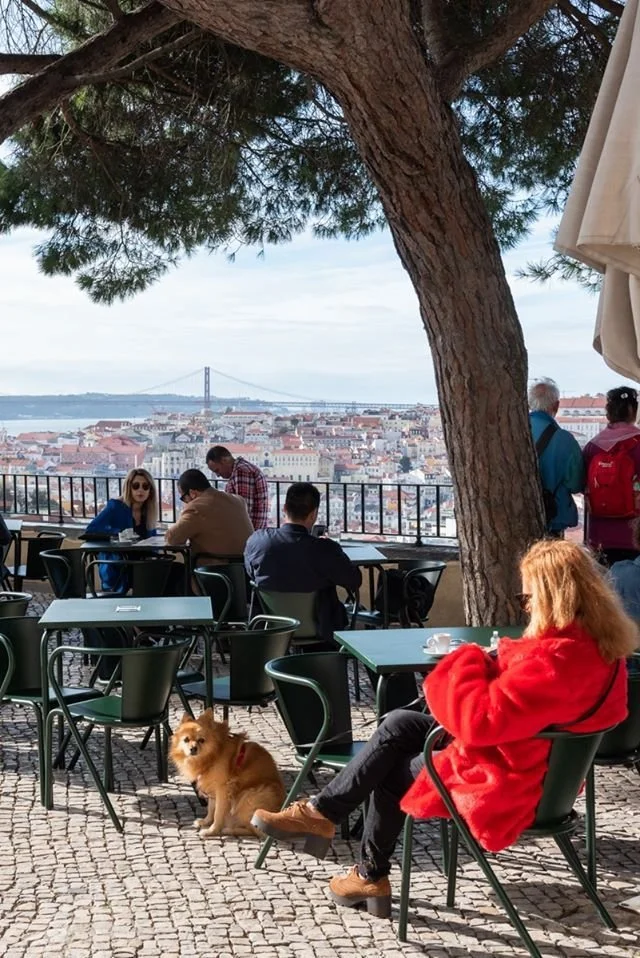
Casa Independente is one of the clearest examples. Opened in Largo do Intendente in 2012, it became part of the neighbourhood’s cultural life, hosting concerts, exhibitions, book launches and gatherings. It is due to close on 19 December 2026 after the building was sold and its lease not renewed. Its founders could not secure another location; the new owner did not intend to continue the cultural activity there. They describe a wider market in which hotels and condominiums can outbid projects serving the community.
Casa Independente’s closure does not make tourism the sole cause. It illustrates how cultural spaces can help make neighbourhoods attractive without their value being reflected in the property market when a building changes hands.
The loss is also happening at the café counter
Lisbon’s everyday identity is built around cafés, bakeries and neighbourhood shops. They are meeting points and local networks that make a neighbourhood function beyond visitor hours.
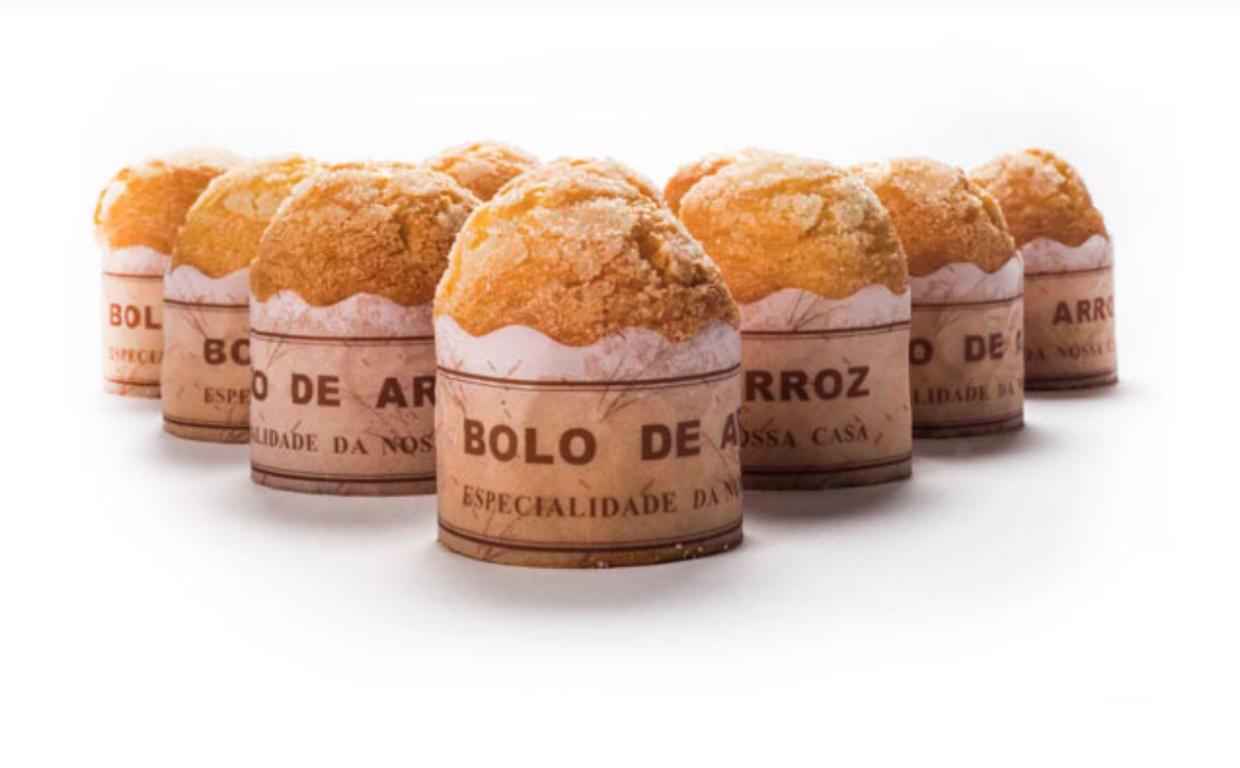
The residents’ association Vizinhos de Lisboa created “O Último Bolo de Arroz de Lisboa” to map traditional cafés, bakeries and pastry shops. By July 2026, it had recorded around 300 establishments, including roughly two dozen closures. It is a community-led map, not an official count.
Confeitaria Vitória in Estefânia became a Burger King; the Cister, which had operated since 1838, also closed, although its reason was not established. The Padaria da Patriarcal, after more than a century, closed in January 2026. The former bakery’s future use had not been confirmed, although the upper floors were due to become tourist accommodation. Time Out Lisboa identified pressures including commercial property costs, tourism, fewer permanent residents, rising ingredient prices, changing consumer habits and owners retiring without successors. The closures have different explanations. Blaming every one on tourism makes the story simpler, but less useful to solve.
A city cannot preserve its image by preserving only its façades
Lisbon has every reason to welcome investment, new businesses and visitors. Tourism supports jobs and livelihoods, and international appeal has created opportunities across hospitality, food, design and culture. The question is whether the people who make the city work can share in its growth.
Independent venues, restaurants, design studios, old cafés and creative communities are not decorative features in Lisbon’s international image. They are businesses and social infrastructure, sustained by people who need homes and viable rents.
Lisbon cannot keep selling its character while pricing out the people and businesses that sustain it.