Fashion, beauty, design, lifestyle and hospitality are closely connected businesses. A fashion label depends on photographers, designers, manufacturers and logistics specialists. A beauty brand needs formulation experts, packaging suppliers and production partners. Hotels and restaurants work with architects, interior designers, artists, food producers and independent makers.
The relationships between these industries are not new. What is less developed is the infrastructure that allows people and businesses to find one another.
Professional networks, supplier directories, trade associations, events and routes to work are still largely organised around individual sectors. The result is a fragmented landscape in which expertise and opportunity can exist just beyond the professional circles of the people who need them. For founders, freelancers and established businesses alike, this creates unnecessary friction.
A Connected Market, Divided Networks
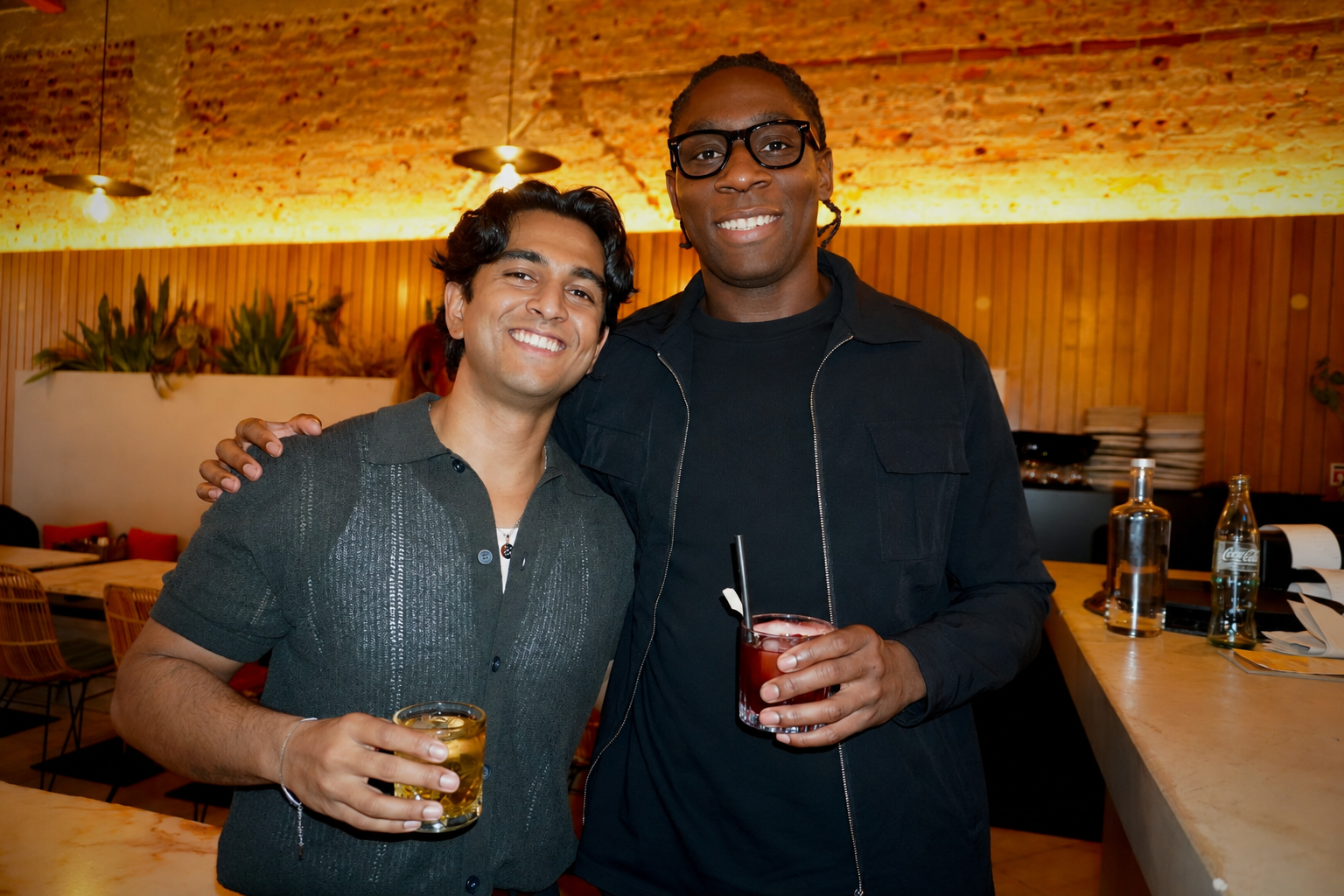
The boundaries between industries have become increasingly porous. Fashion brands operate in hospitality and lifestyle spaces. Hotels develop retail products and collaborate with designers. Beauty companies work with creative agencies, technology providers and specialist manufacturers. Independent designers serve clients across multiple sectors.
Commercially, these businesses have plenty of reasons to work together. Professionally, however, they often operate in separate ecosystems.
A fashion founder might know other founders, stylists and fashion photographers but have limited access to specialist packaging suppliers or beauty manufacturers. A graphic designer may understand the hospitality market but have no established route into hotel groups or restaurant businesses. An independent lifestyle brand may need production expertise, retail contacts or creative partners beyond the network it has already built.
This is fragmentation in practice. It is not that the industries never collaborate. It is that the systems through which people find expertise, build relationships and access opportunities do not consistently reflect how interconnected their businesses have become.
The Cost of Having the Wrong Network
For a founder, the consequences can be commercial. Developing a fashion collection involves more than finding a factory. It requires access to pattern makers, fabric suppliers, technical specialists, production partners and logistics providers. Each has different capabilities, costs and requirements. A manufacturer that works well for one label may be unsuitable for another because of minimum order quantities, production methods or quality expectations.
Beauty presents an even more specialised supply chain. A founder may need a formulation laboratory, a contract manufacturer, packaging expertise and regulatory support. These are distinct disciplines, and identifying the right partner requires more than a general online search.
For independent professionals, the problem is often access to clients. A talented graphic designer may have a strong portfolio but depend on a relatively small referral network. A photographer may work regularly in fashion but have little visibility among hospitality groups that need their expertise. Their skills are transferable, but their professional networks may not be.
Hospitality businesses face their own discovery challenges, from finding specialist food producers and reliable suppliers to commissioning interiors, ceramics, photography and branding. These relationships can shape the identity and quality of a business, but discovering the right people often happens through informal recommendations rather than a clear, accessible system.
In each case, the opportunity exists. The difficulty is reaching the people who can make it happen.
Networking Is Not a Complete Answer
The importance of relationships is well documented. Creative Boom's 2026 survey of 882 creative professionals found that 57.5% identified networking and community as the area most in need of improvement. Mentorship was also a major concern, selected by 53% of respondents.
Research in the UK points to the importance of personal connections in securing work. Bectu's 2025 Big Survey, which gathered responses from more than 5,500 workers across the creative sectors, found that 75% of respondents had secured work through a friend or contact in the previous 18 months. In fashion, film and television drama, the figure was 82%. Only 37% said the jobs they had applied for were publicly advertised.
The Arts Council England and University of Essex Cultural Freelancers Study 2024 found that 81% of surveyed freelancers had found work through personal recommendations, while 56% had secured work through repeat bookings.
These studies cover different populations and measure different aspects of professional experience. They do not prove that every sector has the same problem, or that cross industry networks automatically lead to more business. They do, however, demonstrate how heavily work can depend on personal relationships.
This is where the usual advice to network more falls short. Attending another event or collecting more contacts does not necessarily improve access. The more important questions are whether people can discover relevant professionals outside their immediate circles, whether they have enough context to assess a potential connection, and whether there are opportunities to develop that relationship over time.

Discovery Needs Structure and Trust
Digital platforms have made it easier to search for suppliers, freelancers and potential collaborators. Maker's Row, for example, helps brands search for manufacturing partners across product categories. Such platforms address a practical need: making suppliers more visible to businesses that might otherwise struggle to find them.
But access to information is only part of the problem. A list of manufacturers does not tell a founder which partner is best suited to their production needs. A portfolio does not necessarily connect a designer with the decision-makers who commission work. Search results cannot automatically provide the reassurance that comes from a trusted introduction or a recommendation based on direct experience.
Discovery needs context. People need ways to understand who someone is, what they do, what they are looking for and whether there is a meaningful reason to connect. They also need relationships that can develop over time, rather than relying on a single encounter or an occasional industry event.
The Case for Connecting the Industries
The boundaries between fashion, beauty, design, lifestyle and hospitality are increasingly difficult to separate in practice. Brands collaborate with hotels and restaurants. Designers work across retail, interiors and lifestyle. Hospitality businesses commission artists, photographers and independent makers. Founders draw on expertise from multiple sectors as their businesses develop.
Yet the professional infrastructure supporting these industries has not necessarily evolved to reflect that overlap. Opportunities, knowledge and specialist contacts remain dispersed across separate networks.
This is the gap Brava is built around. As an application-based professional community spanning lifestyle, fashion, beauty, hospitality, design and related fields, Brava brings people from these different industries into a shared network. Its model combines a curated membership with app-based discovery, introductions and industry resources, creating opportunities for members to connect beyond their immediate professional circles. Events are one part of that proposition, rather than the entire value of membership.
A community cannot replace specialist expertise, commercial due diligence or the established institutions that support individual industries. Nor should every professional relationship be expected to cross sectors. The value lies in making relevant connections possible where they might otherwise be overlooked.
The fragmentation of these industries is not a lack of talent, expertise or ambition. It is the distance between people who could benefit from knowing one another. As businesses become more interconnected, the professional networks supporting them need to catch up.