We Were Never Meant to Just Watch
BY VICTORIA KATHER
There is a certain kind of person who has always been fascinated by the world around them. They can watch The Holiday for the hundredth time and still find themselves looking at everything except the plot: the houses, the kitchens, the clothes, the bookshelves, the dinner table, all the little details that make a place feel like someone actually lives there.
They have a Pinterest board for a house they do not own, another for a trip they have not booked, and probably several more dedicated to things as specific as lighting, bathrooms or the perfect kitchen. They save restaurants they want to visit, follow designers whose work they could never afford and know the names of photographers, architects, chefs and founders they have never met. They can spend twenty minutes looking at someone's apartment after seeing a single photograph of it.
They are not necessarily interested in fashion, beauty, design or hospitality as industries. They are interested in the worlds that people create around them.
For a long time, there was a certain distance between those worlds and the people who loved them. You read about them in magazines. You saw them in films. You went to the shop, the restaurant, the gallery or the hotel. If you wanted to understand how something was made, you had to know someone who could let you in.
Then the internet changed everything.
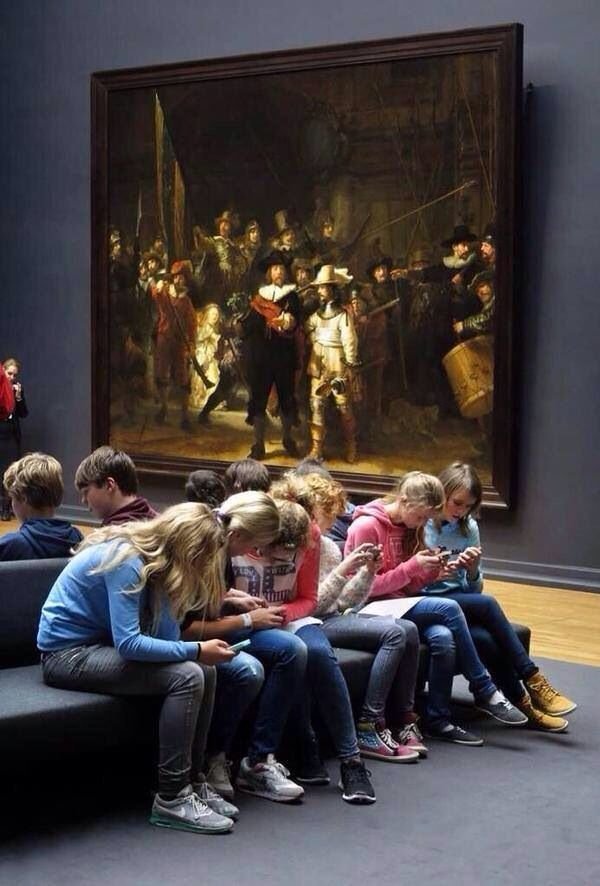
Over the last decade, the worlds we once experienced from a distance have become almost permanently accessible. We went from blogs to Instagram to TikTok. Designers began showing their studios. Founders began documenting their businesses. Restaurants started showing you the kitchen before you had ever sat at the table. People began sharing their homes, their wardrobes, their travels, their work and, eventually, almost every part of their lives.
In 2025, 67.3 percent of Europeans aged 16 to 74 used social networks. We have never had more access to the worlds we are interested in.
And yet, something about that access feels strange.
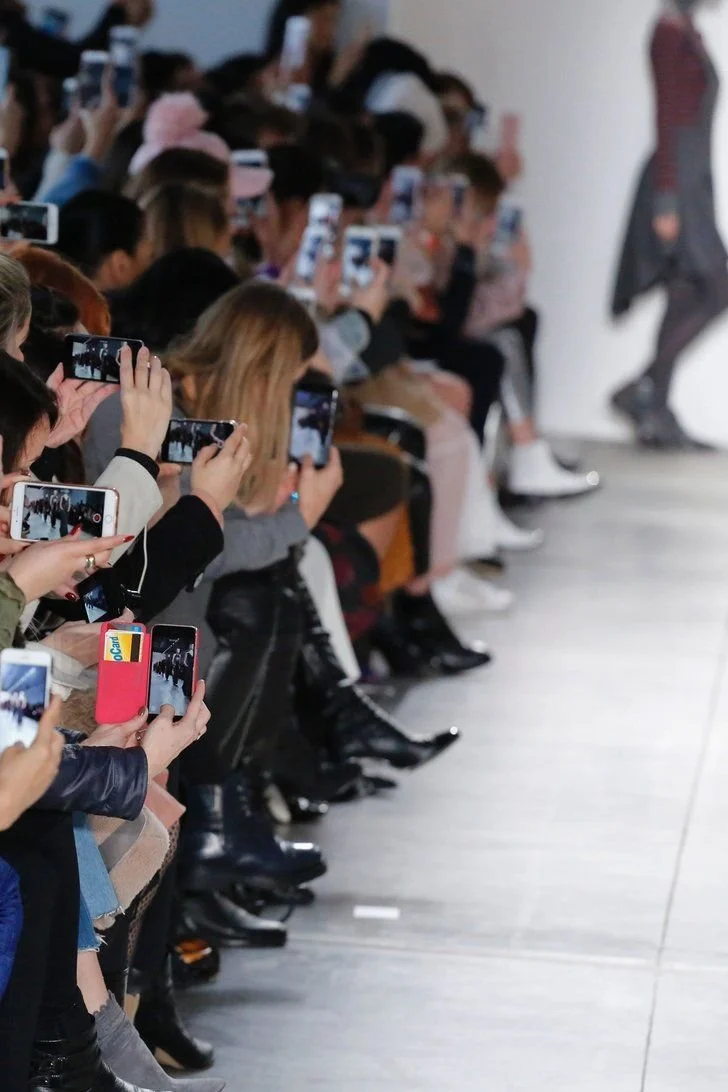
Because seeing something is not the same as experiencing it. And experiencing something is not the same as being part of it.
We can watch a designer prepare a collection without ever meeting the person who made it. We can follow a founder from the first day of a business to its latest campaign without ever having a conversation with them. We can see the dinner, the opening, the studio, the fashion week, the holiday, the new restaurant, the new apartment. We are constantly invited to look.
We have become extraordinarily good at watching culture happen. But we are not necessarily any closer to the people creating it.
That distinction matters.
The internet has made discovery almost effortless. It has given people access to ideas, businesses and people that would once have been completely out of reach. Someone in Lisbon can follow a designer in Copenhagen, a founder in London or a photographer in Paris within seconds.
But it has also turned much of our relationship with culture into a spectator experience. You follow someone, like their work, save it for later, share it with a friend, and then move on.
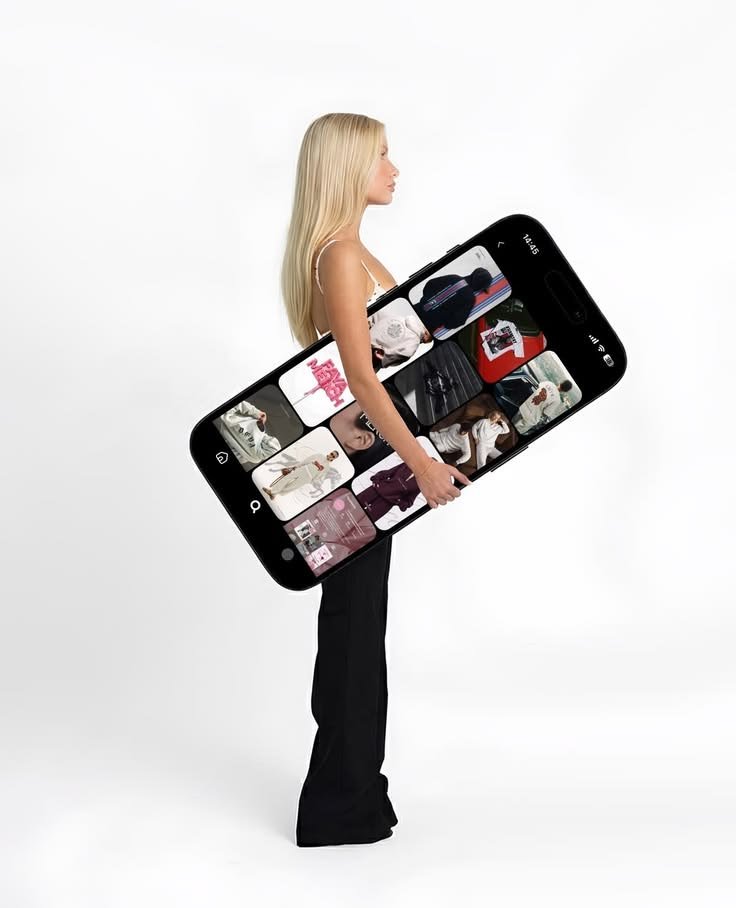
At the same time, something else has happened to the people trying to build these worlds.
It has never been easier to put yourself out there. You can launch a brand without a shop, build an audience without a publisher, share your work without a gallery and create a career without waiting for someone to give you permission. That is extraordinary. But everyone else has the same tools, and everyone is publishing, building a personal brand and trying to be seen.
The internet lowered the barrier to visibility. It did not eliminate the importance of relationships. If anything, it made them harder to find.
The photographer still needs the founder. The founder still needs the designer. The designer still needs the buyer. The marketer still needs the brand. The person who just moved to a new city still needs someone to introduce them to the right people.
And none of those relationships happen particularly well through a feed.
There is a reason this feels increasingly relevant. In recent consumer research from McKinsey, consumers across Europe and the United States said that family and friends were their strongest influence when deciding on a product or brand, while social media ranked lowest among the sources they were asked to consider.
We have built an enormous economy around reaching people at scale. But when it comes to trust, people still trust people.
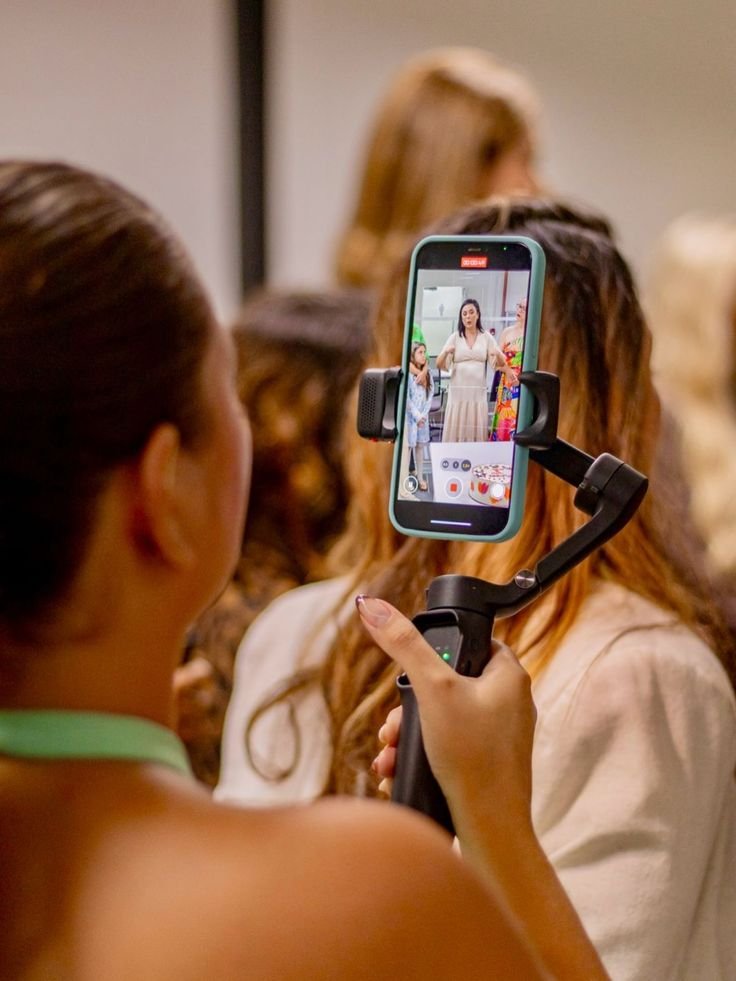
And perhaps that is why the physical world feels different again.
Not because people have stopped caring about the internet. They have not. Not because everyone suddenly wants to put their phone away. They do not. But because the more of life that happens through a screen, the more valuable the things that cannot happen through one become.
A conversation can last longer than a comment. An introduction can turn into an opportunity. A dinner can bring together people who would never otherwise have met. A recommendation from someone whose taste you trust can lead you somewhere you would never have found yourself. A stranger can become a friend.
The data reflects the tension. McKinsey found that consumers in Germany, the United Kingdom, China and the United States were spending nearly 90 percent of their free time on solo activities in 2025. Time spent with friends, family and in person cultural activities had remained broadly flat, meaning it represented a smaller share of people's free time than before.
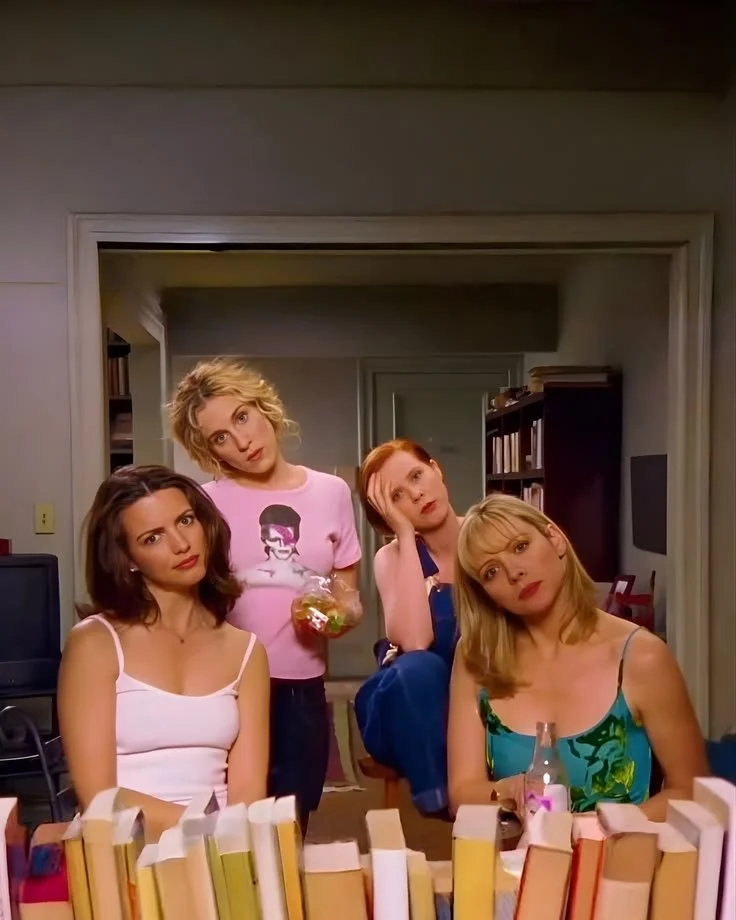
At the same time, European research has found associations between intensive social network use, loneliness and emotional distress among young people, while stronger offline social networks appeared to moderate that relationship.
None of this means that the internet is the problem. It means that the internet cannot do everything.
A platform can introduce you to someone, but it cannot sit across the table from you. A profile can tell you what someone does, but it cannot tell you what they are like. An algorithm can recommend a person, a restaurant, a brand or a piece of work, but it cannot create the feeling of finding someone you genuinely want to know.
That still happens between people.
And perhaps this is the part we have underestimated. Community is not simply about having people around you. The right community changes what becomes possible.
A friendship can become a collaboration. A recommendation can become a client. A conversation can become a business. A person new to a city can suddenly feel like they have somewhere to go. Someone trying to break into an industry can meet the person who gives them their first opportunity. Someone who has spent years following a world from the outside can finally find themselves inside it.
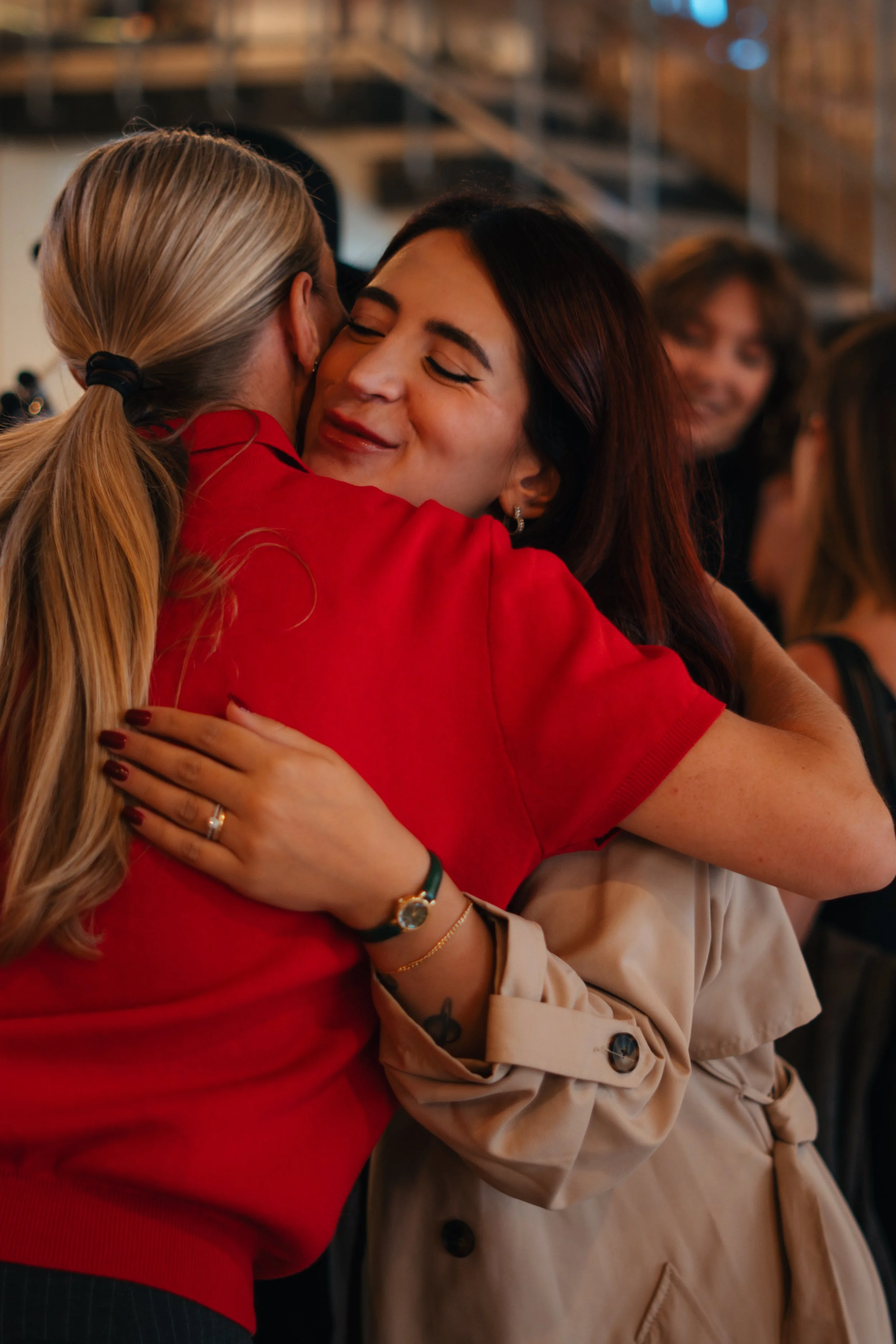
That is the idea behind Brava.
Not another platform to scroll through or another place to collect contacts. A social club built around the people behind the things we are interested in. A place where founders, creatives and industry professionals across fashion, beauty, lifestyle and hospitality can actually meet each other, spend time together and become part of the same community.
The events are only the beginning. What makes a community valuable is not the event itself. It is what happens because people were in the same room: the introduction afterwards, the dinner a month later, the project that comes from a conversation, the friendship that nobody expected, the person you would never have met otherwise.
The world has spent the last decade making it easier to see everything. Perhaps the next chapter is about making it easier to be part of it.
Because the person with the Pinterest boards, the saved restaurants and the endless curiosity was never really looking for more things to look at. They were looking for somewhere to belong.
And maybe we all are.
By Victoria Kather