There is a strange expectation placed on people working in creative industries: you should love what you do, be passionate about your craft and, ideally, be flexible about how much you get paid for it. Somewhere along the way, the idea that creative work is a business seems to get lost. Exposure is offered instead of a budget, a smaller fee is justified by the promise of future work, and talented professionals find themselves negotiating against their own interests before a client has even questioned their price.
But enjoying your work does not make it less valuable. And being creative does not mean you should be comfortable earning less than your expertise deserves.
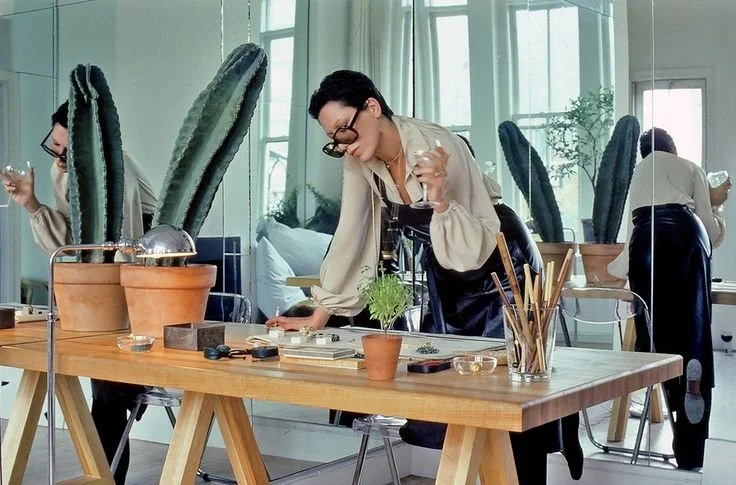
The confidence problem is bigger than we think
A 2026 study by Fast Company and AIGA, the American professional association for design, surveyed 1,273 freelance designers and 153 hiring managers to understand how creative work is priced. The findings were revealing: only 12% of designers described themselves as very confident in their pricing, while 49% admitted they sometimes felt afraid to ask for more.
Interestingly, the research also found no major disconnect between what designers reported charging and what companies said they were paying. The problem, then, is not necessarily that every creative professional is dramatically undercharging. It is that the market is difficult to navigate, pricing varies enormously between disciplines and project types, and many people are making commercial decisions without feeling particularly confident about them.
A logo, a brand identity system and a full creative strategy are not interchangeable services. Yet creative professionals often struggle to explain why their work commands a particular fee, particularly when clients are comparing deliverables rather than the expertise required to produce them.
You're not charging for the hours. You're charging for what you know.
One of the biggest mistakes creatives make is treating time as the only measure of value.
Consider a brand strategist who spends ten years developing an understanding of consumer behavior, positioning, visual identity and market differentiation. A client hires them to develop a brand strategy, and the project takes two weeks. Should the fee reflect only those two weeks?
Of course not. The client is paying for the accumulated experience that allows the strategist to make decisions, identify opportunities and avoid mistakes. The same applies to photographers, stylists, designers, writers and creative directors. The final deliverable might look simple, but the thinking behind it is often anything but.
This is why pricing based exclusively on hours can become limiting. Harvard Business Review has explored alternatives for professional services, including fixed project fees, retainers and performance-based pricing. These approaches shift the conversation away from time alone and toward the service, expertise and outcomes being delivered.
It does not mean hourly pricing is always wrong. It means creatives should understand that it is not the only way to charge for their work.
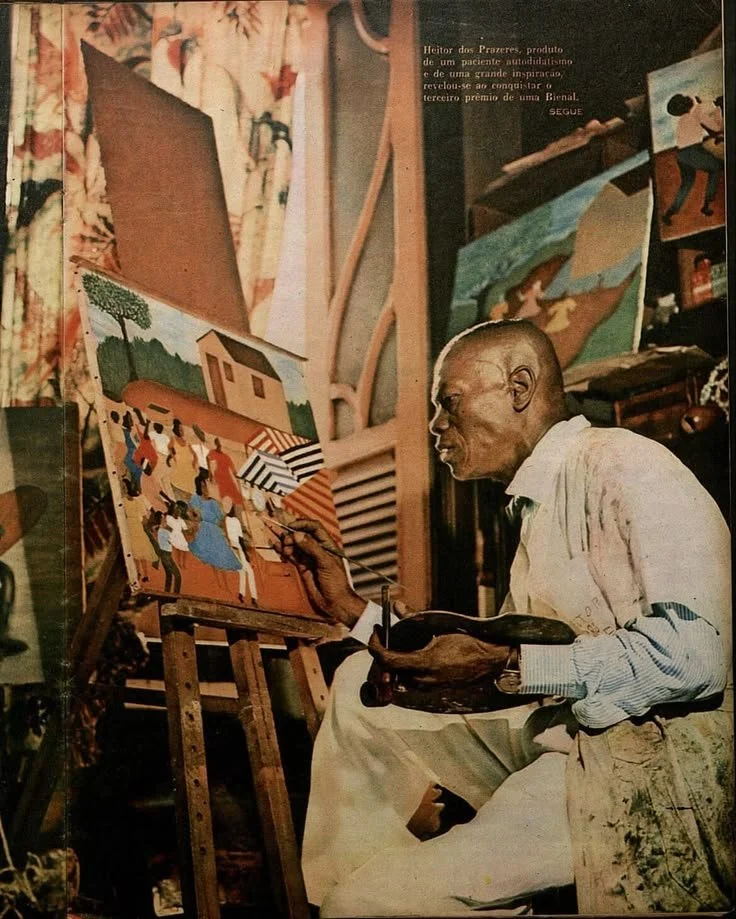
Your client isn't paying for your passion
There is another uncomfortable reality: passion can become a liability when it is used to justify poor business decisions.
Creative professionals frequently accept reduced fees because they love the project, admire the brand or want the opportunity to build their portfolio. Occasionally, that is a perfectly reasonable strategic decision. A passion project, a relationship with a promising client or an opportunity to enter a new market can justify different pricing.
The problem begins when the exception becomes the business model.
The Association of Independents in Radio found in its 2025 research into freelance rates that project scope frequently expands without corresponding increases in compensation. This is known as scope creep. Additional revisions, new deliverables and changing expectations gradually reduce the effective hourly rate of a project. The work becomes larger, but the fee stays the same.
This is not just a pricing problem. It is a boundaries problem. If the agreement covers three rounds of revisions, a fourth should be a conversation about additional fees, not an automatic expectation that the creative professional will absorb the cost.

Affordable and undervalued are not the same thing
None of this means every creative should charge premium prices or that smaller businesses should be excluded from accessing creative talent. Different clients have different budgets, and pricing should reflect the complexity, scope and commercial context of the work.
But there is a difference between choosing to offer an accessible rate and accepting a fee that makes your business unsustainable.
A creative business has operating costs, software, equipment, taxes, administration, marketing, unpaid time between projects and the responsibility of finding its next client. Unlike an employee, an independent professional cannot simply calculate their desired annual salary and divide it by working hours.
A sustainable creative practice requires enough margin to invest in better work, develop skills and build a business that can survive beyond the next invoice.
The industry needs to get better at talking about money
Perhaps the most important change is greater transparency. Creative professionals need to talk more openly about what they charge, how they structure projects and what different levels of service actually include. The less information available, the easier it becomes for people to underestimate their own work or accept whatever budget is offered.
Clients also need to recognize that good creative work is not simply an output. It is the result of experience, judgment, research and expertise.
Ultimately, charging properly is not about believing every project you produce is extraordinary. It is about understanding that your time, knowledge and ability to deliver a professional service have a commercial value.
You can love what you do, be flexible, support emerging businesses and still expect to be paid fairly. These things are not mutually exclusive.
Your creativity is what you do. Running a sustainable business is what allows you to keep doing it.