Sunday has an unusual reputation. It is supposed to be the day we slow down, but for many people it becomes a race to prepare for Monday. Between catching up on errands, planning the week, exercising and trying to relax, the weekend can start to feel like another working day.
The answer is not to create an elaborate routine or spend hours organising your life. Research suggests that a few simple habits, from getting outside to keeping a consistent sleep schedule, can help support better mental health and make the transition into a new week easier.
Here are five ways to make your Sunday work a little harder for you, without making it feel like work.

1. Plan your week around three priorities
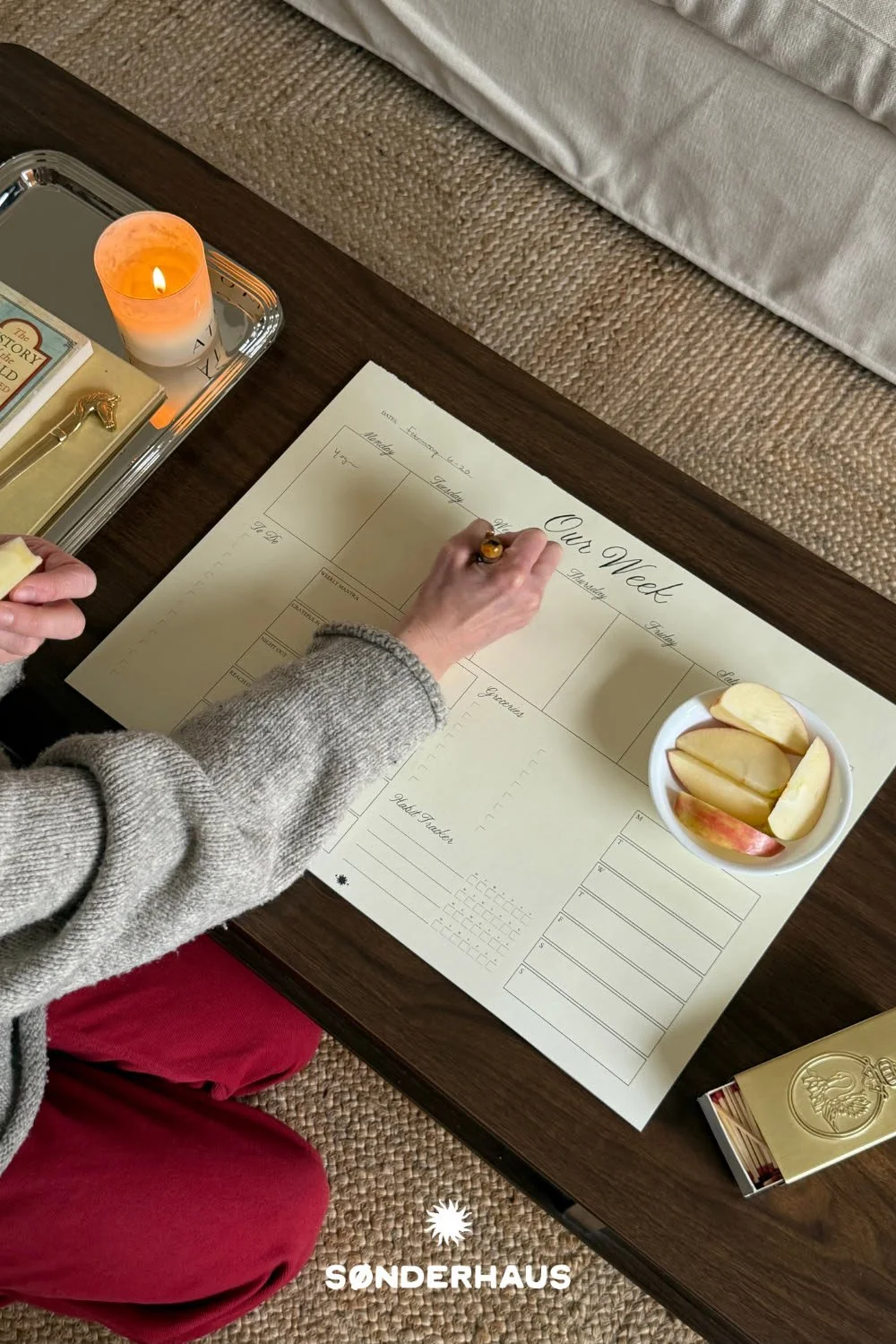
A long to do list can make Monday feel overwhelming before it has even started. Instead, spend 15 minutes looking at the week ahead and identifying the three things that matter most.
There is good evidence behind this approach. Research on something called implementation intentions shows that making specific plans can help people follow through on their goals. Rather than simply deciding to exercise, for example, create a clear plan: if I finish work at 18:00, I will go for a walk.
A 2025 review in Annual Review of Psychology examined how these if then plans can support attention, decision making and goal directed behaviour.
Try this: Review your calendar, choose three priorities and decide when you will tackle them. Planning for potential obstacles can be just as useful as planning for the tasks themselves.
2. Move your body, preferably outdoors
Exercise is one of the most consistently supported ways to improve mental health, but it does not have to mean an intense workout.
A 2026 systematic review in the British Journal of Sports Medicine, analysing 372 studies and more than 3.3 million people, found that leisure time physical activity was associated with better mental health. Interestingly, the same relationship was not observed for physical activity performed as part of work.
The distinction matters. Movement that you choose and enjoy can offer something different from another obligation in an already busy schedule.
Try this: Go for a long walk, take a Pilates class, swim or cycle. Choose something you genuinely enjoy rather than another activity to tick off your list.
3. Make time to switch off
Rest is not simply the absence of work. It also means giving your mind a break from the constant stream of notifications, decisions and information competing for your attention.
A 2026 systematic review published in npj Mental Health Research examined 17 randomised controlled trials involving 1,641 adults. It found that mindfulness based interventions were associated with lower levels of perceived stress.
This does not mean one meditation session will eliminate stress. Most of the programmes studied lasted several weeks. However, it supports the value of making mindfulness a regular habit.
Try this: Put your phone away for ten minutes and try guided meditation, breathing exercises or simply sitting quietly without feeling the need to do anything else.
4. Keep your sleep schedule consistent
It is tempting to stay up late on Saturday and sleep in on Sunday, but regularly changing your sleep schedule can make the transition back to the working week harder.
A 2025 study published in BMC Public Health, analysing wearable sleep data from approximately 100,000 UK Biobank participants, found that more consistent sleep routines were associated with a lower modelled risk of mental health disorders. A separate 2025 review also linked irregular sleep timing with poorer mental and physical health outcomes.
These studies do not prove that a consistent Sunday bedtime prevents mental health problems, but they reinforce the importance of regular sleep patterns.
Try this: Avoid dramatically shifting your bedtime on Sunday. Aim for seven to nine hours of sleep and keep your wake up time reasonably close to your weekday routine.
5. Make healthy eating easier
You do not need to spend your entire Sunday meal prepping. A little preparation can simply make better choices easier when the week gets busy.
A 2026 systematic review and meta analysis published in the International Journal of Behavioral Nutrition and Physical Activity examined ten studies involving 2,399 adults. It found that specific if then plans helped participants increase their fruit and vegetable consumption, although the effect was modest.
The takeaway is that small decisions made in advance can influence what we do later.
Try this: Plan a few meals, prepare some ingredients or stock your fridge with easy options. Even deciding what you will have for lunch on Monday can remove one decision from an already busy day.
Make Sunday feel like Sunday
Perhaps the most important part of a reset is knowing when to stop. A 2026 study exploring the Sunday Blues found that anxiety about the approaching week was often connected to anticipated work challenges, unfulfilled weekend expectations and a lack of balance between work and personal life.
A Sunday routine should not become another list of expectations to meet. Plan enough to feel prepared, make time for movement and rest, and leave space for doing absolutely nothing.
The goal is not to have the most productive Sunday. It is to start Monday feeling a little more rested, organised and ready for whatever the week brings.