On 19 December, Casa Independente will close its doors for the last time. After 14 years at Largo do Intendente, the Lisbon cultural venue will not relocate or continue elsewhere. The building was sold, its rental contract was not renewed, and its founders say they have been unable to find an affordable alternative. As the final weeks approach, they have begun selling the furniture and objects that filled the space for more than a decade.
The closure is a small story with much larger implications. Lisbon has spent years becoming one of Europe's most desirable destinations for international visitors, investors and residents. But as the city becomes more valuable to the outside world, an uncomfortable question emerges: what happens when the people and places that give a city its character can no longer afford to remain in it?
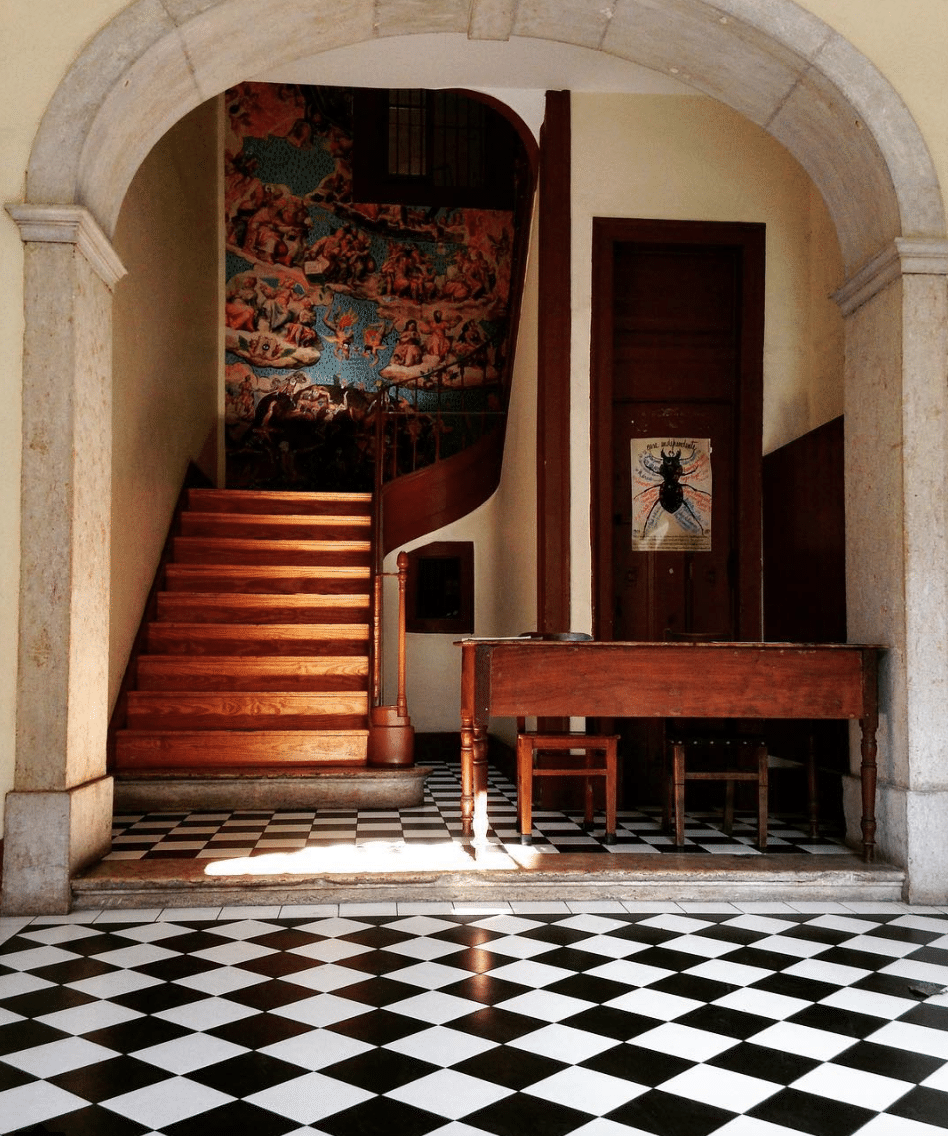
Casa Independente
The Price of Lisbon's Success
Portugal's international appeal has brought significant economic benefits. According to Turismo de Portugal, the country recorded 82 million overnight stays and €29.1 billion in tourism revenue in 2025, both record figures. Almost 70% of overnight stays were by non-residents, with roughly half concentrated in Greater Lisbon and the Algarve.
Real estate has followed a similarly dramatic trajectory. The OECD's 2026 Economic Survey of Portugal reports that nominal house prices have nearly tripled since 2015. The organisation identifies several pressures behind the affordability crisis, including strong domestic and international demand, tourism, short-term rentals and a housing supply that has struggled to keep pace.
Foreign investment is part of this picture, but it is not the whole story. Foreign buyers accounted for around 10% of the value of Portuguese residential property transactions between 2019 and 2024, according to the OECD, with purchases concentrated in more expensive properties. That is a significant influence, particularly in a market where purchasing power varies considerably, but it does not mean foreigners are responsible for the entire housing crisis. Government policy, insufficient housing supply and the financial incentives attached to property investment have also helped shape the market.
The consequences extend beyond housing affordability. When property becomes more profitable as a hotel, tourist rental or luxury residence, independent businesses and cultural venues can struggle to compete for space, even when they contribute significantly to the neighbourhood around them.
Research published in the academic journal Cities in 2023 examined the role of the state in Lisbon's touristification. It found that, in the historic centre, building rehabilitation had overwhelmingly resulted in hotels and properties used for short-term tourist accommodation. The transformation is not simply about who owns property. It is also about which uses of that property the market rewards.
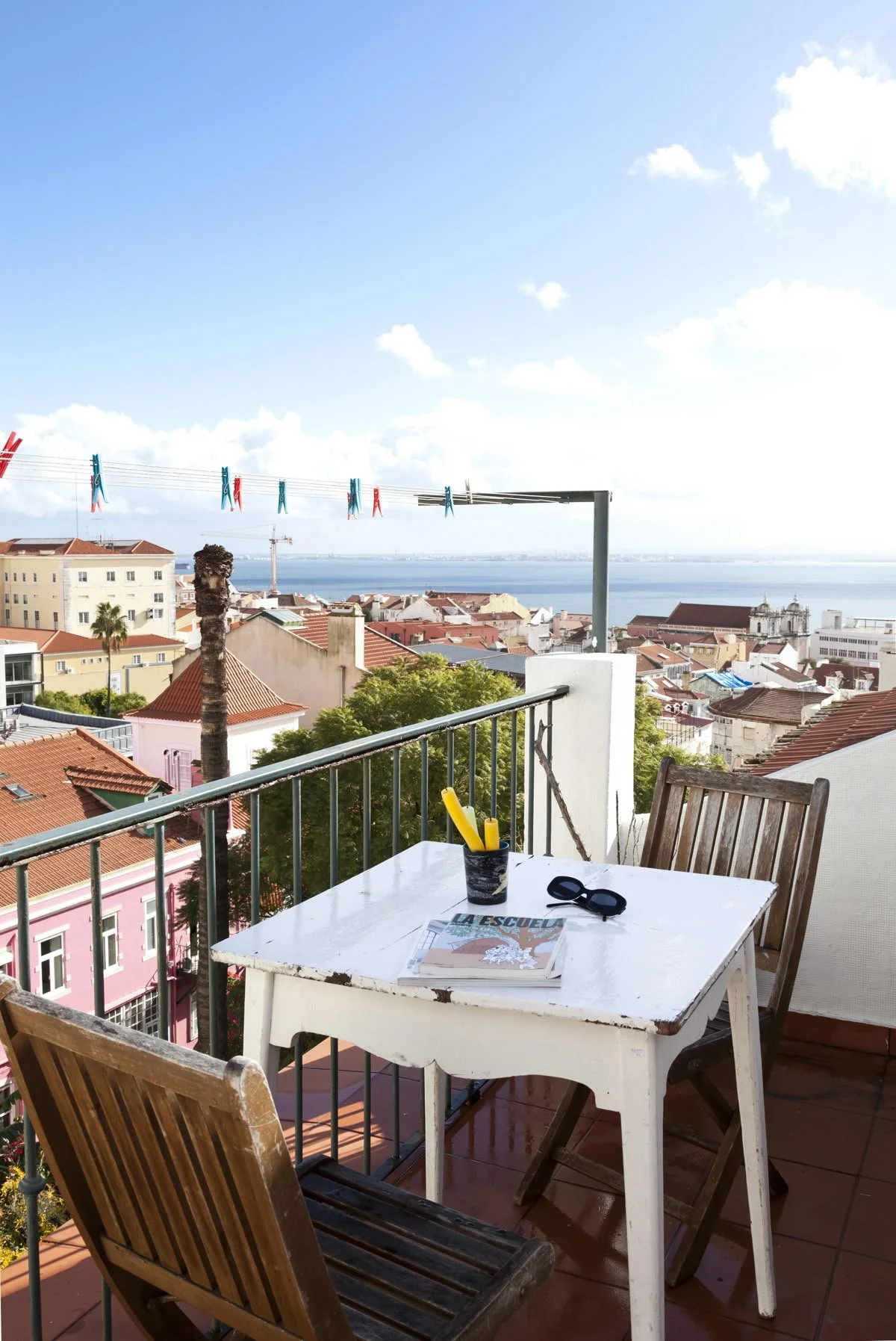
The Neighbourhood That Helped Make Lisbon Attractive
Casa Independente opened in 2012, during a period of transformation for Intendente. Once associated with prostitution and drug use, the neighbourhood developed into a meeting point for residents, artists, musicians and visitors. Casa Independente became part of that cultural shift, hosting concerts, exhibitions, screenings, discussions and performances.
There is an irony in its closure. Independent cultural spaces help make neighbourhoods distinctive and desirable. They create the atmosphere that visitors seek out and that new residents value. Yet these spaces often operate with limited resources and depend on being able to rent premises at prices that their cultural activities can sustain.
When property values rise, that equation can break down. The neighbourhood may retain its renovated façades and attractive addresses while losing some of the people, businesses and cultural activity that made it appealing in the first place.
There is no evidence that Casa Independente's closure alone proves tourism or foreign investment caused its fate. Its founders have, however, explicitly connected their difficulties to a property market in which hotels and luxury apartments can outcompete community-focused projects. Their experience illustrates a wider structural problem: the commercial value of a place can increase while the conditions that sustain its cultural life deteriorate.
What Is a Successful City Worth?
Lisbon does not need to choose between welcoming international investment and protecting its local identity. Tourism supports employment, businesses and public revenue, while investment can bring resources to buildings and neighbourhoods that need them. The question is whether that growth is being managed in a way that allows the people who live and work in the city to benefit from it.
That requires more than celebrating Lisbon's creative reputation. It means considering how cultural spaces can access affordable premises, whether public buildings can be made available for community use, and how urban planning can protect a mix of activities rather than allowing the highest financial return to determine every outcome.
Casa Independente's closure is not simply the end of a popular venue. It is a reminder that a city's cultural life cannot be treated as an unlimited resource that will somehow survive rising costs. If Lisbon wants to remain a place people visit for its character, it must also remain a place where the people creating that character can afford to stay.
A city can attract the world and still lose what makes it special. The challenge is making sure that becoming more valuable does not mean becoming less liveable.