Every founder has a story. The problem is that too many assume it should be the story their customers hear first. They talk about the moment they had the idea, the challenges they overcame, the risks they took and how much the business means to them. These details may be important, but they do not automatically give someone a reason to care. The biggest mistake founders make with storytelling is confusing the story of building a business with the story that makes a customer want to be part of it.
Your story matters. It gives people context, communicates your values and helps establish why your business exists. But the founder should not always be the main character. The customer should be able to recognize themselves in the story, understand what they stand to gain and imagine how their life or work might look different with your product or service. Your role is to show them a possibility, not simply tell them how you got here.
This is increasingly important in a market where consumers are not short of brands competing for their attention. The 2026 Edelman Trust Barometer, based on 17,688 respondents across 15 countries, found that trust and relevance are closely connected to brand growth. Consumers look for brands that offer utility, reflect their identity, create a sense of community and establish an emotional connection. The research also found that people place greater weight on what customers and independent advocates say than on what brands say about themselves. A founder's story might introduce a business, but the customer needs a reason to believe in it.
What good storytelling looks like
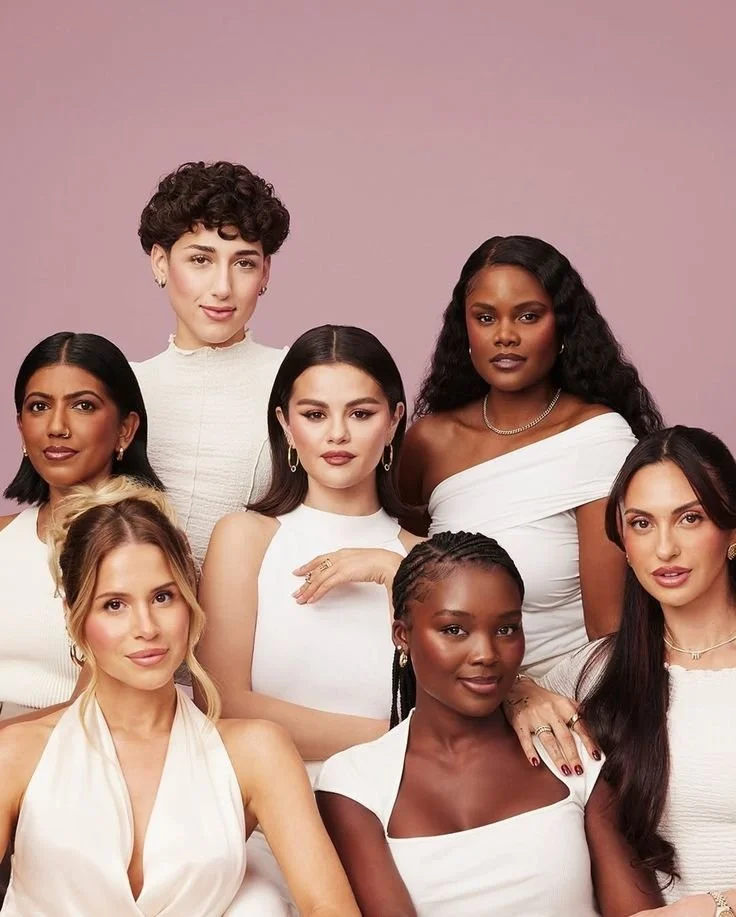
Consider Rare Beauty, founded by Selena Gomez in 2020. Gomez's personal experiences with mental health, self-acceptance and the pressure of unrealistic beauty standards helped shape the brand's purpose. But the story does not stop with her. Rare Beauty has built its identity around a wider message: people should feel comfortable with who they are, rather than feeling that beauty requires them to become someone else.
The distinction is particularly clear in its Every Side of You campaign. Instead of making Gomez the central character, the 2024 campaign featured a diverse cast experiencing different moments of vulnerability, confidence and self-expression. Gomez narrated the film but appeared only at the end. As the brand's chief marketing officer Katie Welch explained to Marketing Brew in 2024, the intention was to recognize the community and communicate that, although Rare Beauty is Selena's company, it is about more than her.
That approach has continued through the Rare Impact Fund, which supports organizations expanding access to youth mental health services and education. In 2025, Rare Beauty and Sephora partnered on a campaign that directed proceeds from fragrance sales toward the fund. The founder's experience created the starting point, but the brand turned it into something customers could participate in and support. People were not simply being asked to admire Selena's journey. They were invited to become part of a wider conversation.
When a founder's story isn't enough

The Outset, the skincare brand co-founded by Scarlett Johansson and beauty executive Kate Foster Lengyel in 2022, offers a more complicated example. Johansson's personal experience with adult acne and sensitive skin was central to the brand's origin. She wanted to create gentle, uncomplicated products that could become everyday essentials, describing the concept as the white T-shirt of skincare. It was a relatable starting point, built around a problem many consumers understand.
The brand also made a conscious effort to stand beyond Johansson's celebrity. It launched with five products, expanded its range and secured retail distribution through Sephora, Nordstrom and other retailers. Its Lip Oasis treatment reportedly sold out seven times, demonstrating that individual products could attract strong demand. Yet on September 28, 2026, The Outset announced that it was winding down operations after four years.
There is no public evidence that its storytelling caused the closure, and the company did not disclose a reason. But its trajectory raises a useful question for founders: once customers understand the problem that inspired a product, what gives them a reason to choose that brand over the alternatives? A relatable founder experience can establish credibility, but it does not automatically create a distinctive identity or lasting customer connection. The story needs to evolve beyond why the founder wanted to make something and explain why it matters to the people buying it.
Your story is the beginning, not the destination
This does not mean founders should hide behind their products or remove themselves from their brands. Personal stories can be powerful precisely because they reveal the human thinking behind a business. The key is to connect that experience to something larger than the founder.
Instead of only explaining why you created a product, explain the problem you wanted to solve. Instead of focusing exclusively on how difficult the journey was, show what that journey allows you to offer today. And instead of making every milestone about the business, show what those milestones mean for the people who use it.
Before publishing any brand story, ask yourself one question: can my customer see themselves in this? If the answer is no, the story may be interesting, but it is probably not doing enough.
The founder gives the brand its perspective. The customer gives that story a reason to matter. You can tell your story, but you are not the main character. Your customer is.