Portugal's textile industry is one of the country's oldest and most important manufacturing traditions. From medieval linen production and the wool factories of Covilhã to the industrial towns of the north and today's international manufacturing network, its history reflects the country's changing economy, society and place in the global fashion industry.
Portugal is internationally recognised as one of Europe's leading textile and clothing manufacturing countries. Its factories produce garments, fabrics and home textiles for some of the world's most established fashion brands. But the foundations of this industry were laid long before international fashion companies began looking to Portugal for production.
For centuries, textile making was part of everyday life. It provided work for rural households, shaped the economies of entire regions and became an important source of trade. Over time, small workshops developed into factories, regional production centres became industrial powerhouses, and Portuguese manufacturers became increasingly connected to international markets.
The industry has experienced extraordinary change. It expanded under royal protection, grew through industrialisation, benefited from colonial trade, was transformed by European integration and suffered heavily when global competition intensified. Its more recent evolution has been defined by technical innovation, quality and a move towards more specialised production.
Understanding Portugal's textile industry means understanding a significant part of the country's economic and social history.
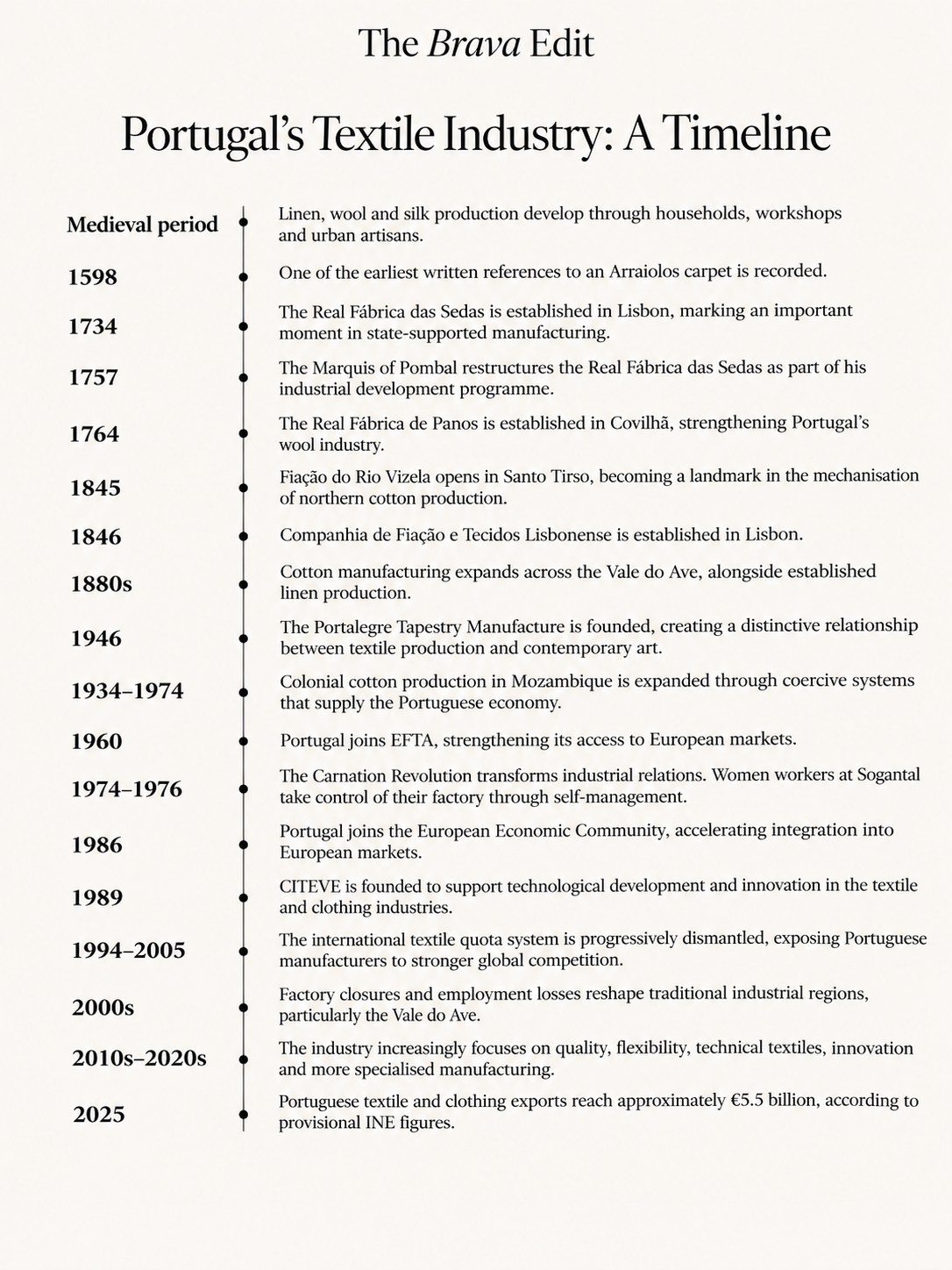
Portugal's textile history at a glance
Before the factories: the origins of Portuguese textiles
Portugal's textile history dates back to the medieval period, when production was organised around rural households, small workshops and urban artisans. There was no unified national industry. Instead, different regions developed their own traditions according to the materials, skills and commercial opportunities available to them.
Three fibres were particularly important: linen, wool and silk.
Linen, made from flax, was widely produced in rural communities, especially in northern Portugal. Wool was used for clothing and heavier fabrics, with important manufacturing traditions developing in the central interior. Silk, meanwhile, was worked by specialised craftspeople, particularly in urban centres.
Textile making was also an important source of urban employment. Records from fifteenth century Porto show weaving among the occupations subject to municipal wage regulation. In Alenquer and Évora, historical records document communities of skilled textile workers. Jewish artisans also contributed to the production of fabrics, garments and accessories, particularly in towns across the Alentejo.
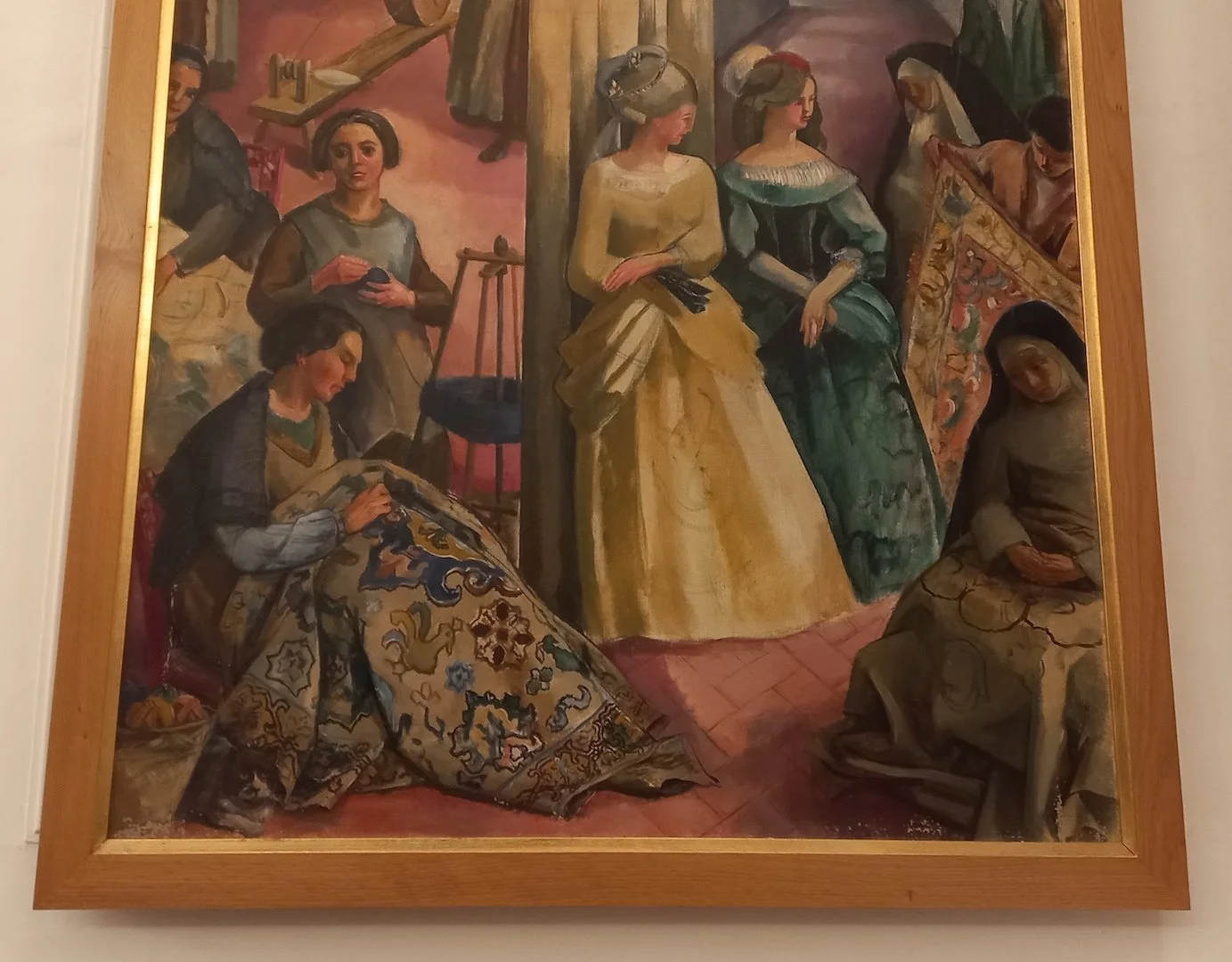
Much of this production took place within the household. Women cultivated flax, prepared fibres, spun thread and operated looms, often alongside agricultural work. Their knowledge was passed from one generation to another, creating a foundation of technical expertise that would later support the development of industrial manufacturing.
The contribution of women is particularly important. Textile work was frequently treated as an extension of domestic responsibilities rather than recognised as a distinct economic occupation. As a result, the women who produced the materials on which local economies depended were often absent from formal records.
Research from the University of Minho's Centre for Textile Science and Technology has explored this relationship, tracing the contribution of women's knowledge to the development of northern Portugal's textile industry from the fifteenth century onwards.
Portugal's early textile economy was therefore not simply a collection of traditional crafts. It was an established system of production, commercial exchange and specialised knowledge.
The sixteenth to eighteenth centuries: regional identity and royal ambition
As textile production developed, particular regions became associated with distinctive products.
One of the most recognisable examples is the Arraiolos carpet. The earliest known written reference to a carpet made in Arraiolos dates from 1598. Produced using wool embroidery, the carpets developed a distinctive decorative style influenced by oriental designs.
The tradition was largely organised within households, with women playing a central role in the production and transmission of techniques. Arraiolos carpets remain part of Portugal's National Inventory of Intangible Cultural Heritage.
During the eighteenth century, however, textile production began to receive a different kind of attention. The Portuguese Crown increasingly viewed manufacturing as an important instrument of economic development.
Under King João V and, later, the Marquis of Pombal, the government pursued policies intended to strengthen domestic production and reduce dependence on imported goods.
Two royal factories illustrate this ambition.
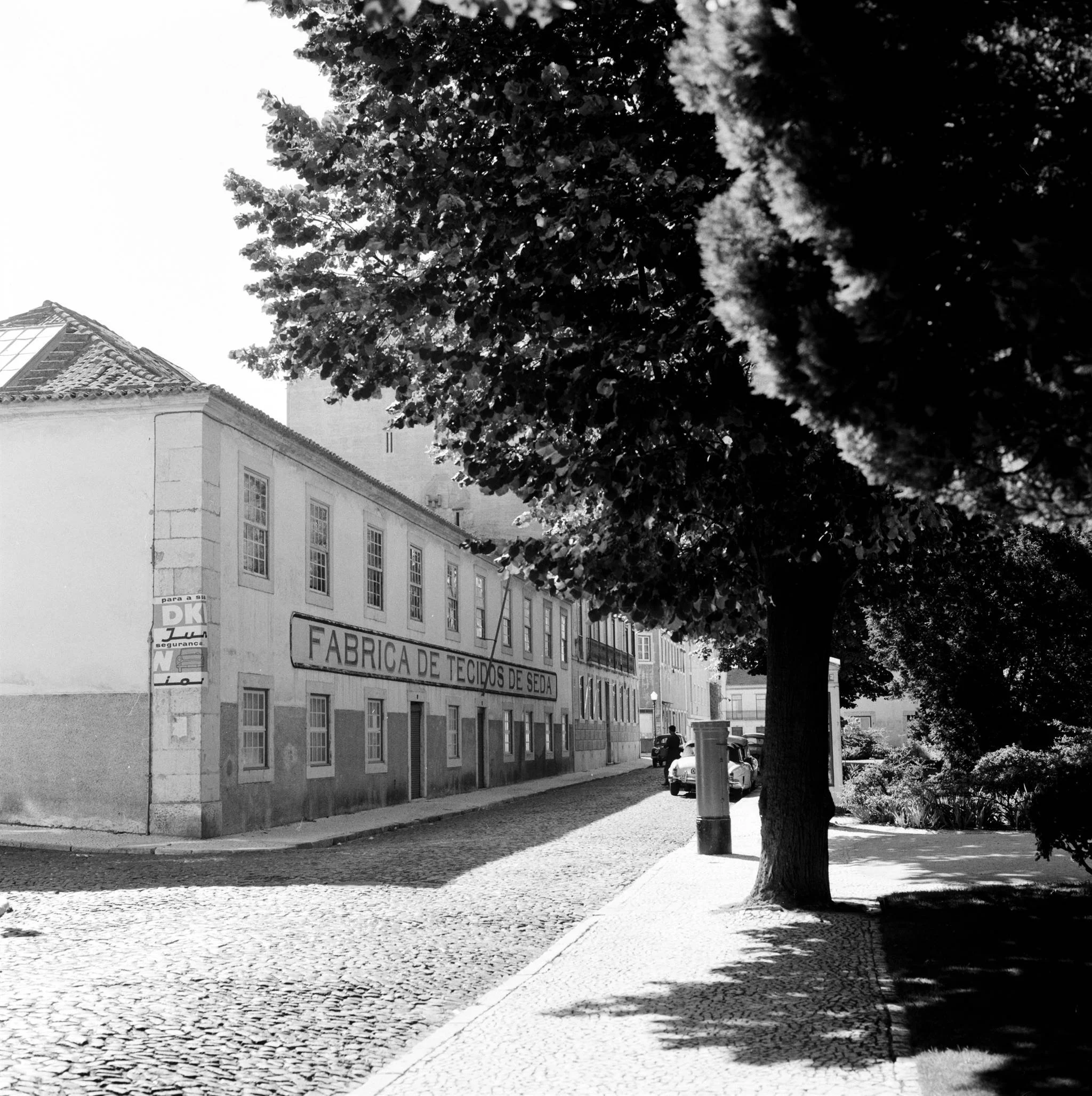
Real Fábrica das Sedas, Lisbon, 1734
Established in 1734 following a proposal by French weaver Robert Godin, the Real Fábrica das Sedas became one of Portugal's most important early manufacturing initiatives.
Located in the Rato area of Lisbon, the factory was intended to develop domestic silk production and compete with imported textiles. It experienced financial and technical difficulties before being restructured in 1757 under Pombal.
The factory was more than a place of production. It helped organise workshops, provide training and develop a manufacturing community around the site. Its history reflects an early attempt to create an organised industrial ecosystem with state support.
Real Fábrica de Panos, Covilhã, 1764
In 1764, King José I established the Real Fábrica de Panos in Covilhã, a town that already had a long tradition of wool production.
The factory brought together activities that had previously been distributed across smaller workshops, particularly dyeing and finishing. It also established a more organised approach to production and quality.
The institution had an educational dimension too. Orphaned and abandoned children, some as young as eight, were housed at the factory and trained in textile work.
The establishment of these factories marked an important shift. Portugal was beginning to move beyond supporting individual craftspeople towards building organised manufacturing capacity.
The nineteenth century: the industrialisation of Portugal
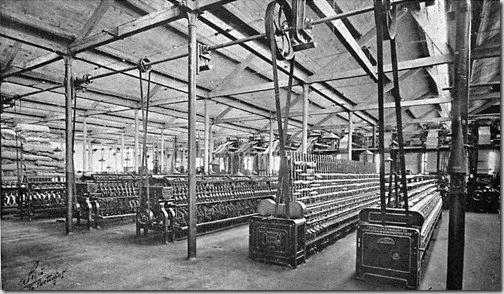
The nineteenth century transformed Portugal's textile economy. Mechanised spinning and weaving began to replace many traditional methods, and production increasingly moved into factories.
Industrialisation was uneven. Lisbon, Porto and Covilhã developed important manufacturing centres, but the most consequential transformation for the modern Portuguese textile industry took place in the north.
The rise of the Vale do Ave
The opening of Fiação do Rio Vizela in Negrelos, Santo Tirso, in 1845 is one of the defining moments in the industrialisation of the Vale do Ave.
The factory used hydraulic power to mechanise cotton spinning. Its development involved French technician Eugène Cauchoix and investment from Porto merchants with existing interests in textiles.
The location was strategic. The river provided a source of energy, while the surrounding rural communities offered access to labour. The factory became an important supplier of yarn to regional weaving workshops and manufacturers. At its peak, it employed almost 3,000 people.
Industrial investment also came from Portuguese emigrants who had made their fortunes in Brazil and returned home. Known as brasileiros de torna-viagem, some invested in factories and helped finance the expansion of northern manufacturing.
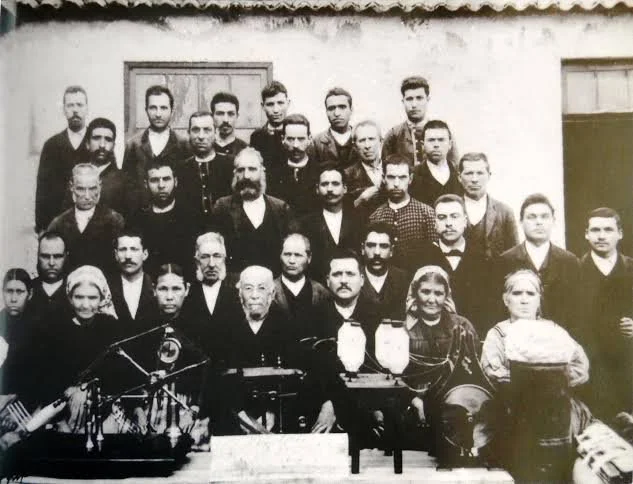
By the end of the nineteenth century, textile factories had spread across Santo Tirso, Guimarães, Fafe, Vila Nova de Famalicão and neighbouring municipalities.
From linen to cotton
One of the most significant changes in the north was the gradual shift from linen to cotton.
Linen had been central to rural production, particularly in Guimarães. Cotton, however, became increasingly attractive as mechanisation made it possible to produce larger quantities at competitive prices.
The 1884 Industrial Exhibition of Guimarães demonstrated that the region's linen tradition remained important. But the following year, the establishment of the Fábrica do Castanheiro, which combined linen and cotton production using new machinery and steam power, reflected the direction in which the industry was moving.
By 1890, industrial surveys recorded hundreds of cotton-related production units in Guimarães and Vila Nova de Famalicão. These included smaller workshops and domestic operations as well as larger factories.
The industrialisation of the north did not happen overnight. Traditional production continued alongside mechanised manufacturing, creating a regional ecosystem that would become increasingly important to the Portuguese economy.
Lisbon's industrial landscape
The north was not the only region undergoing industrial transformation.
Lisbon developed an important textile manufacturing base during the nineteenth century, particularly in Alcântara, Marvila, Beato and Xabregas.
The Companhia de Fiação e Tecidos Lisbonense, established in Alcântara in 1846, became one of the city's major industrial complexes. Textile factories helped transform these neighbourhoods, bringing employment, housing and new industrial infrastructure to areas that were becoming increasingly urbanised.
By the end of the century, textiles had become one of the country's most important manufacturing activities, with distinct industrial centres developing around different materials and production specialisations.
The twentieth century: growth, colonial trade and industrial power
During the twentieth century, the textile industry became a major pillar of the Portuguese economy. It provided employment on a large scale, supported exports and shaped the development of entire towns.
However, its expansion was closely connected to the economic and political system of the Estado Novo, including its colonial relationships.
The colonial cotton economy
One of the most important and difficult chapters in this history is the relationship between Portuguese textile manufacturing and cotton production in Africa.
Under the Estado Novo, cotton production in Mozambique and Angola was expanded to supply the Portuguese economy. In Mozambique, colonial authorities established compulsory cotton cultivation zones and concession systems that forced African smallholders to grow cotton and sell it under restrictive conditions.
The system limited farmers' ability to choose what to cultivate and negotiate the value of their production. Women carried a substantial share of the agricultural work.
Research by historian Paulo Guimarães documents how colonial authorities used legislation, agricultural policies and coercive labour practices to expand cotton production in Mozambique between 1934 and 1974.
The connection to Portuguese manufacturing was significant. In 1960, the colonies supplied 82.7% of Portugal's raw cotton imports. They also absorbed 35.8% of Portuguese cotton manufacturing exports, according to historical trade figures cited in academic research.
These figures reveal how the Portuguese textile industry benefited from a colonial trading system that influenced both its access to raw materials and its export markets.
The growth of the industry cannot be understood fully without acknowledging the unequal conditions under which part of its supply chain operated.
The women behind the factories
Women's contribution to textile manufacturing continued as production moved from households into factories.
By the twentieth century, women represented the majority of workers in significant parts of the Portuguese cotton industry. In 1943, records counted 26,502 adult women and 1,730 female minors among 43,339 workers. By 1951, the number of adult women had risen to 34,682, alongside 3,386 female minors.
Women were particularly concentrated in repetitive production tasks and were often paid less than men. In Lisbon's Xabregas industrial district, women made up the majority of factory workers and played an important role in labour activism.
The industrial textile economy was therefore built not only on machinery, investment and trade, but on a predominantly female workforce whose contribution was often undervalued.
Portugal becomes an export manufacturer
Portugal's international trade relationships also changed during this period. The country joined the European Free Trade Association in 1960, strengthening its access to European markets.
By the 1960s and 1970s, textiles and clothing had become major sources of industrial employment and foreign currency. The industry was deeply embedded in the national economy.
However, its competitiveness still depended partly on relatively low labour costs, protected markets and colonial trading relationships. As the international economy changed, these characteristics would become increasingly difficult to sustain.
1974 to 2005: revolution, European integration and the crisis of globalisation
The Carnation Revolution of 1974 brought profound political and economic change. The end of the Estado Novo and subsequent decolonisation dismantled the colonial trading system that had supported parts of Portuguese manufacturing.
Labour relations also changed. Workers organised, demanded better conditions and, in some cases, took control of production.
One important example was Sogantal, a textile factory where women workers organised a period of self-management between 1974 and 1976. Their experience became a significant example of women's participation in the revolutionary labour movement.
Portugal's entry into the European Economic Community in 1986 created new opportunities. Manufacturers gained access to a larger European market and became increasingly integrated into international supply chains.
But the industry was entering a period of intense global competition.
The end of the textile quota system
For decades, international textile and clothing trade had been regulated by the Multi-Fibre Arrangement, which restricted exports from developing countries to major importing markets through quotas.
The World Trade Organization's Agreement on Textiles and Clothing replaced this system in 1994. The quotas were progressively removed, with the process completed in 2005.
China's entry into the WTO in 2001, followed by the end of the quota system, exposed Portuguese manufacturers to stronger competition from lower-cost producers in Asia and other manufacturing economies.
Portugal had traditionally competed through a combination of technical knowledge, manufacturing capacity and relatively low labour costs. The new international environment made this model increasingly difficult.
The consequences were severe. Academic research estimates that the Portuguese textile and clothing sector lost more than 100,000 jobs during the period following China's WTO entry and the dismantling of the quota system.
Factories closed, employment declined and industrial communities were forced to adapt. The Vale do Ave was particularly affected. Businesses that had once provided work for generations struggled to compete, and former industrial buildings became reminders of a very different economic period.
The insolvency of Sampaio Ferreira in 2005, one of the major companies associated with Riba de Ave, was emblematic of the changes affecting the region.
The reinvention of Portuguese textiles
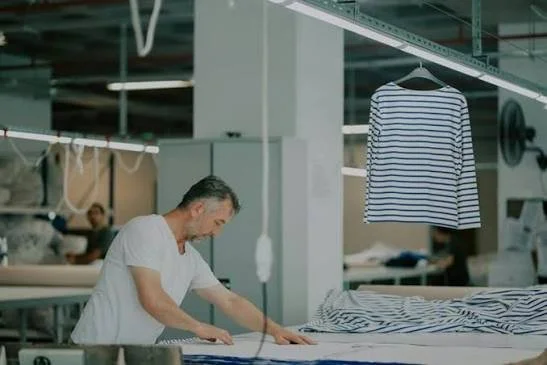
Portugal's textile industry did not disappear. It had to change.
Instead of competing exclusively on price, manufacturers increasingly invested in machinery, product development, quality control and production flexibility. The industry began to focus on international clients looking for more specialised products, shorter supply chains and closer collaboration with manufacturers.
Portugal developed particular strengths in knitwear, woven fabrics, clothing, home textiles, denim, textile finishing and smaller production runs.
The industry also began moving into technical textiles, materials designed to perform a particular function rather than simply provide appearance or comfort. These can be used in healthcare, sports, construction, transport and protective equipment.
The role of CITEVE
Founded in 1989, CITEVE, the Technological Centre for the Textile and Clothing Industries, has played an important role in this transformation.
Based in Vila Nova de Famalicão, it supports companies through research, testing, product development and technological innovation. Its work connects manufacturers with research institutions and helps businesses access technical capabilities that would be difficult to develop independently.
Its activities include testing materials, developing advanced fabrics, exploring recycling technologies and supporting automation and digitalisation.
The organisation's laboratories perform approximately 180,000 tests annually, covering areas such as durability, safety, comfort and chemical performance, according to a European Commission platform report published in January 2026.
CITEVE reflects a wider change in the industry. Manufacturing is no longer simply about producing a garment efficiently. It increasingly involves developing the material, understanding its performance, improving its environmental profile and meeting increasingly demanding technical requirements.
Where the industry stands today
Portugal remains an important European textile and clothing manufacturing country.
According to provisional INE figures reported in February 2026, Portuguese textile and clothing exports reached approximately €5.5 billion in 2025, a decrease of 0.8% compared with the previous year.
Clothing represented the largest category, with exports of approximately €3.18 billion. Textile materials accounted for €1.46 billion, while home textiles and other made-up articles represented approximately €859 million.
Spain, France and Germany remained the principal export destinations.
The industry's structure is also worth understanding. The Ministry of Economy's Estudos Setoriais 2030 report, published in 2024 using 2022 business data, counted 12,222 companies and 128,089 workers in the textile and clothing sector. Microbusinesses represented 79.9% of companies, while SMEs accounted for 99.7%.
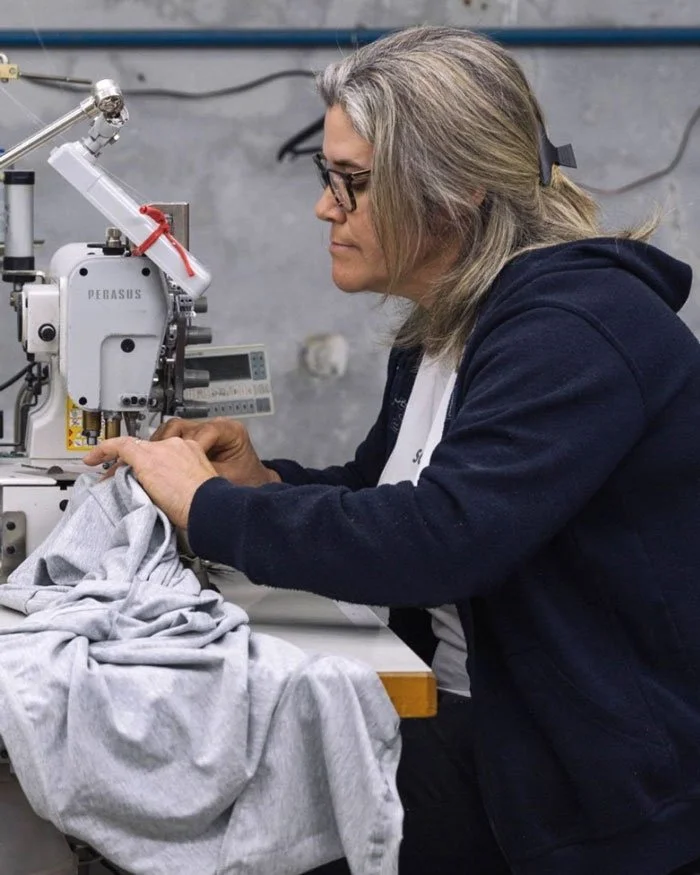
This network of smaller specialised businesses is one of Portugal's competitive advantages. Companies can work together across different stages of production, from spinning and weaving to dyeing, finishing and garment manufacturing.
But the structure also creates challenges. Smaller companies often have less capital available for investment, research and international expansion.
A country that makes for the world
There is an important distinction between being a strong manufacturing country and being a recognised fashion country.
Portugal has developed an extensive network of manufacturers capable of producing high-quality textiles and garments for international brands. Its expertise in materials, production, finishing and product development is a significant economic asset.
Yet much of the commercial value and international recognition often belongs to the brands that commission the products rather than the manufacturers that make them.
A factory may develop a fabric, produce a garment and manage its technical execution. But the brand typically controls the consumer relationship, pricing, distribution and marketing.
This has become one of the central questions facing the Portuguese textile industry: how can the country retain more of the value created by its manufacturing expertise?
The next chapter will likely involve greater investment in technical textiles, circularity, automation, digital production and advanced materials. It may also involve developing stronger Portuguese design businesses and brands that can build on the country's manufacturing capabilities.
Portugal's textile history is not simply a story of traditional craftsmanship giving way to factories. It is a history of regional knowledge becoming industrial expertise, of workers and communities shaping the economy, of international trade creating opportunities and dependencies, and of an industry repeatedly adapting to survive.
From the linen workshops of the north to the wool factories of Covilhã, from the silk manufacturers of Lisbon to the modern textile laboratories of Famalicão, the industry has been part of Portugal's economic identity for centuries.
Its challenge now is not just to continue making products for the world. It is to ensure that the knowledge, innovation and value behind those products are recognised and rewarded in Portugal itself.