For years, the conversation around retail has been dominated by the rise of e-commerce. Brands have invested in digital storefronts, delivery infrastructure and increasingly sophisticated ways to reach consumers online. Yet the physical shop has not become irrelevant. If anything, its value is being reconsidered.
The reason is simple: shopping is not always a transaction. It is also discovery, entertainment and social interaction. A customer might visit a neighbourhood for lunch, walk into a boutique they had never noticed before, stop for a coffee and leave having spent money in three different businesses. The value of that visit extends well beyond the original reason for coming.
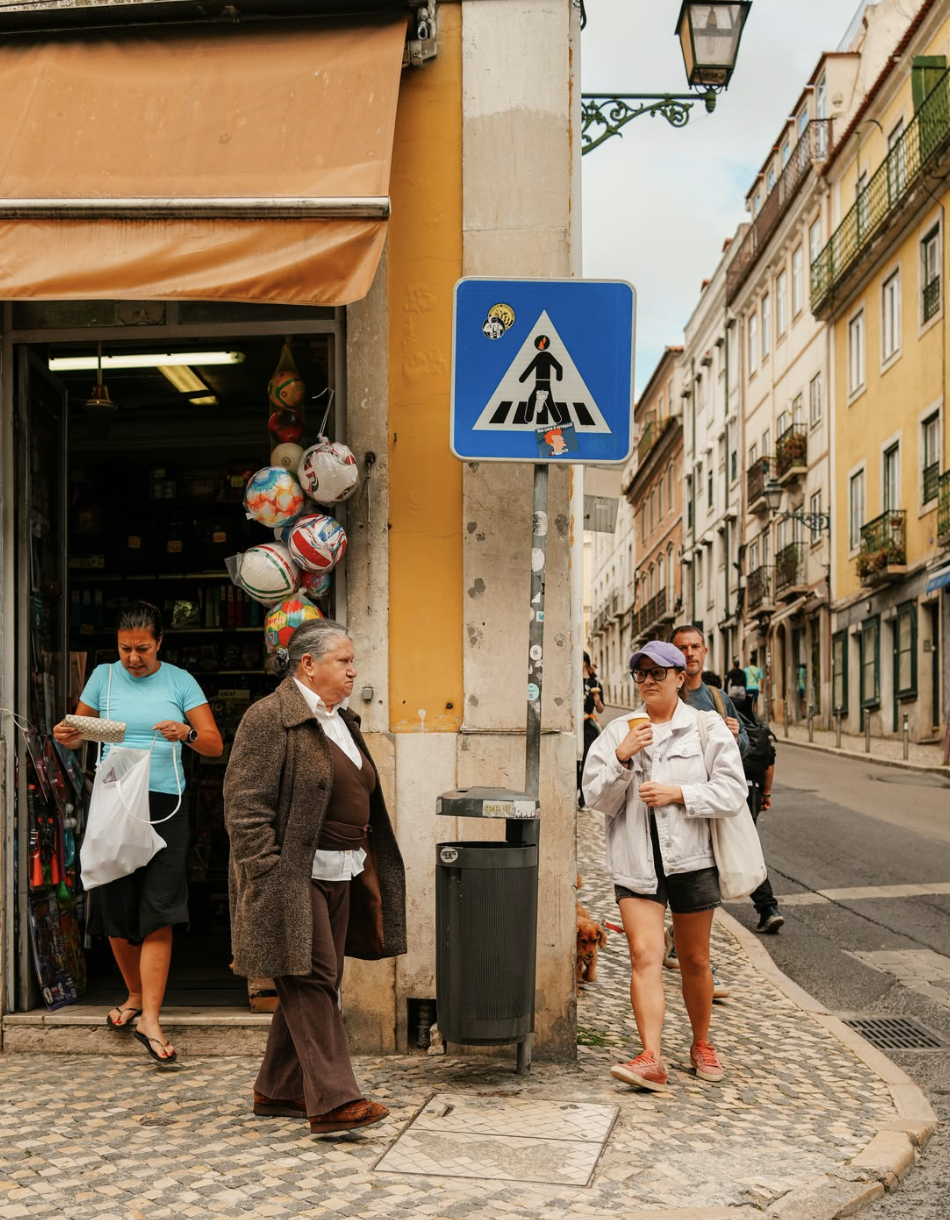
Photography by Eduard Pretsi
This is one of the advantages of a dense, walkable city. When shops, restaurants, cultural spaces and services sit within easy reach of one another, they create a commercial ecosystem. Each business benefits from the people drawn in by the others. Urban density, when supported by good public spaces and transport, can turn an ordinary shopping trip into an afternoon out.
The challenge for city centres is creating the conditions that make people want to stay.
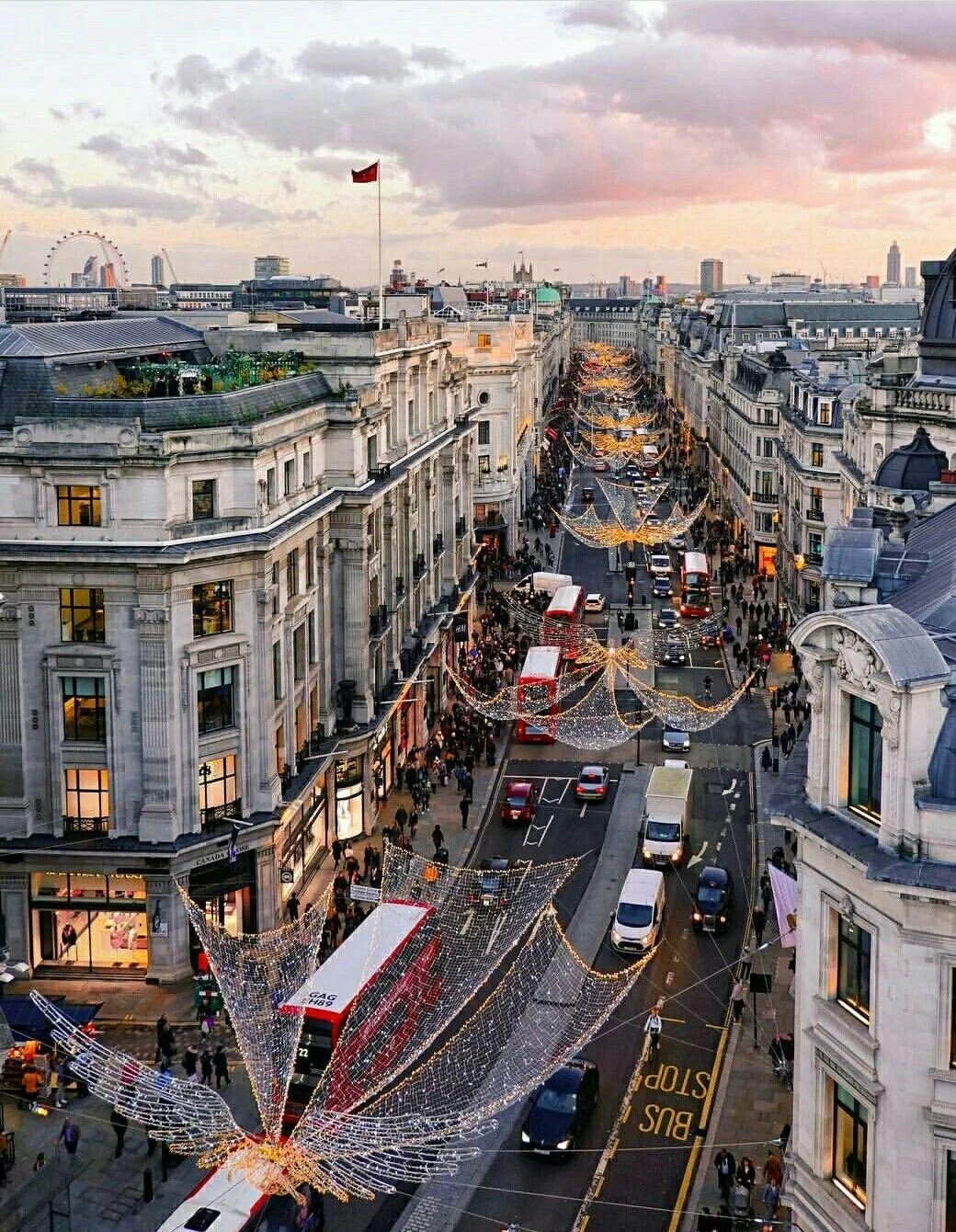
London's Oxford Street is currently testing what that might look like. On 26 October 2026, almost one kilometre of the famous shopping street became traffic free. The first week's figures were striking: spending per store increased by 28% year on year, while transaction numbers rose by 19%, according to data from payments company Adyen covering 40 businesses. The Mayor of London has also projected that the wider scheme could generate £82 million in additional annual economic output and support 700 jobs.
One week is not enough to establish a lasting economic effect, and the projected figures should not be confused with money already generated. But the initial results raise an important question: what happens when a shopping street is designed around the people using it, rather than the vehicles passing through it?
Evidence from Madrid suggests the benefits may extend beyond an initial burst of curiosity. A 2026 study of businesses in two pedestrianised areas found that 57% reported higher sales two years after the changes, compared with 16% shortly after implementation. The research points to a gradual adjustment as businesses and customers become accustomed to the new environment.
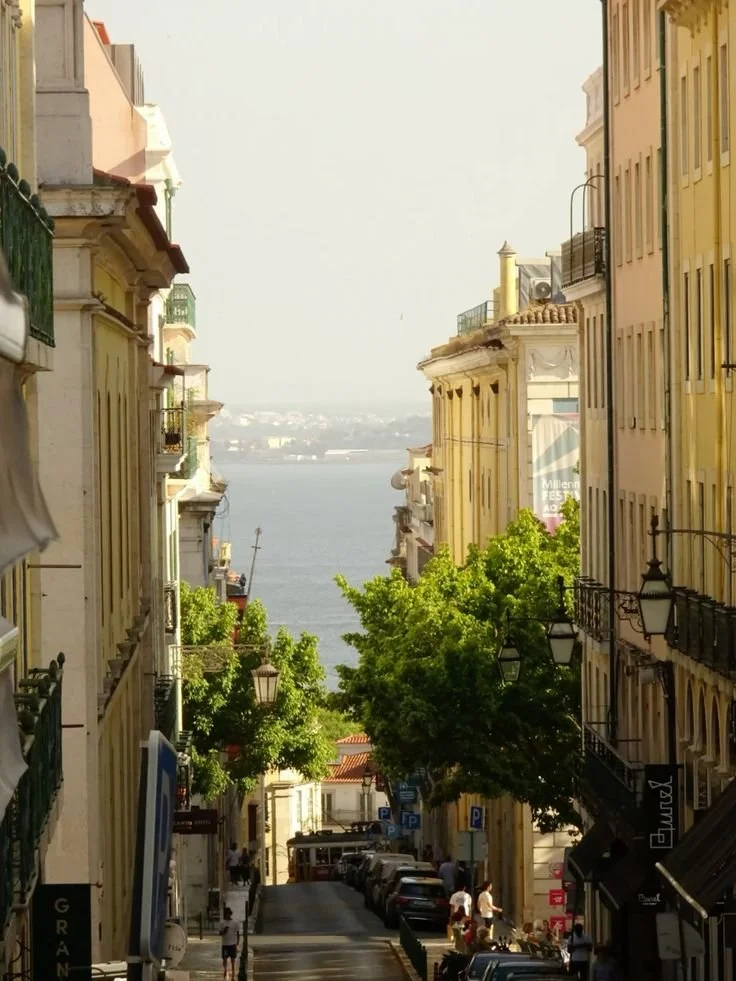
Lisbon has its own version of this conversation unfolding in Chiado. Through the municipality's Viva a Rua programme, interventions have been introduced across seven streets, including Rua Garrett, Rua do Carmo, Rua Nova do Almada, Rua Ivens and Rua Anchieta. The changes include reduced parking, wider pedestrian areas and improvements to the public realm. This is not the complete pedestrianisation of Chiado, but it signals a shift in how the area could be used.
The commercial opportunity is considerable. Chiado is already one of Lisbon's most recognisable shopping districts, but its value is not simply in the number of stores it contains. It is in the concentration of fashion, hospitality, culture and independent businesses within a relatively small area. Making the streets more comfortable to navigate could encourage visitors to explore beyond the shops they already know, stay longer and spend across a wider range of businesses.
For retailers, that additional footfall matters. More people walking past a shop means more opportunities for discovery. For restaurants and cafés, longer visits can translate into additional customers and spending. A more attractive public realm can also make the neighbourhood more appealing to new businesses and investment.
But there is a distinction between making a neighbourhood more commercially valuable and making it better for the businesses that already operate there. More visitors can bring higher sales, but they can also make an area more attractive to landlords, putting pressure on commercial rents. A busier street does not necessarily mean a more diverse retail offering.
Research in Barcelona published in 2026 offers a useful caution. Its findings suggest that pedestrianisation alone does not guarantee a healthier local business mix, with tourism pressure playing a significant role in commercial change. The lesson for Lisbon is that footfall should not be the only measure of success.
Chiado needs to remain somewhere people shop, work, meet and return to, not simply a destination for visitors passing through. That means considering the practical details alongside the design: deliveries, public transport, accessibility, parking alternatives and the cost of keeping a business in the neighbourhood.
The future of physical retail may depend less on whether people choose online or offline shopping, and more on whether cities give them a compelling reason to experience both. A good shopping street is not just a collection of storefronts. It is a place that makes people curious about what is around the next corner. Lisbon has the opportunity to make that one of Chiado's greatest commercial assets.