There is a particular kind of loneliness that comes with working in a creative field. You can spend years developing a skill, building a business, producing work and putting ideas into the world, and still find yourself questioning whether you are good enough. Whether your work is ready. Whether you should be doing something differently. Whether you are even entitled to call yourself a creative in the first place.
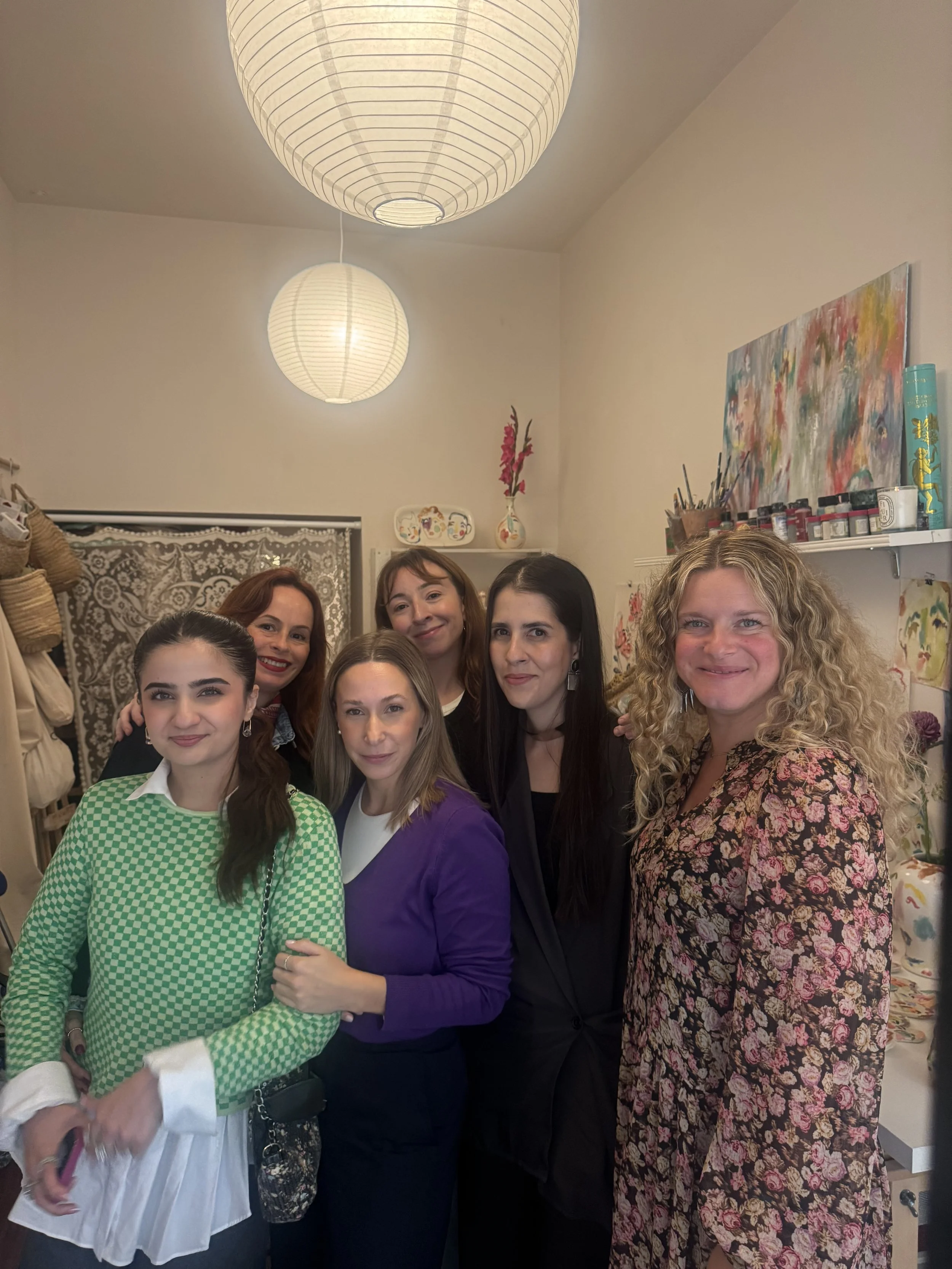
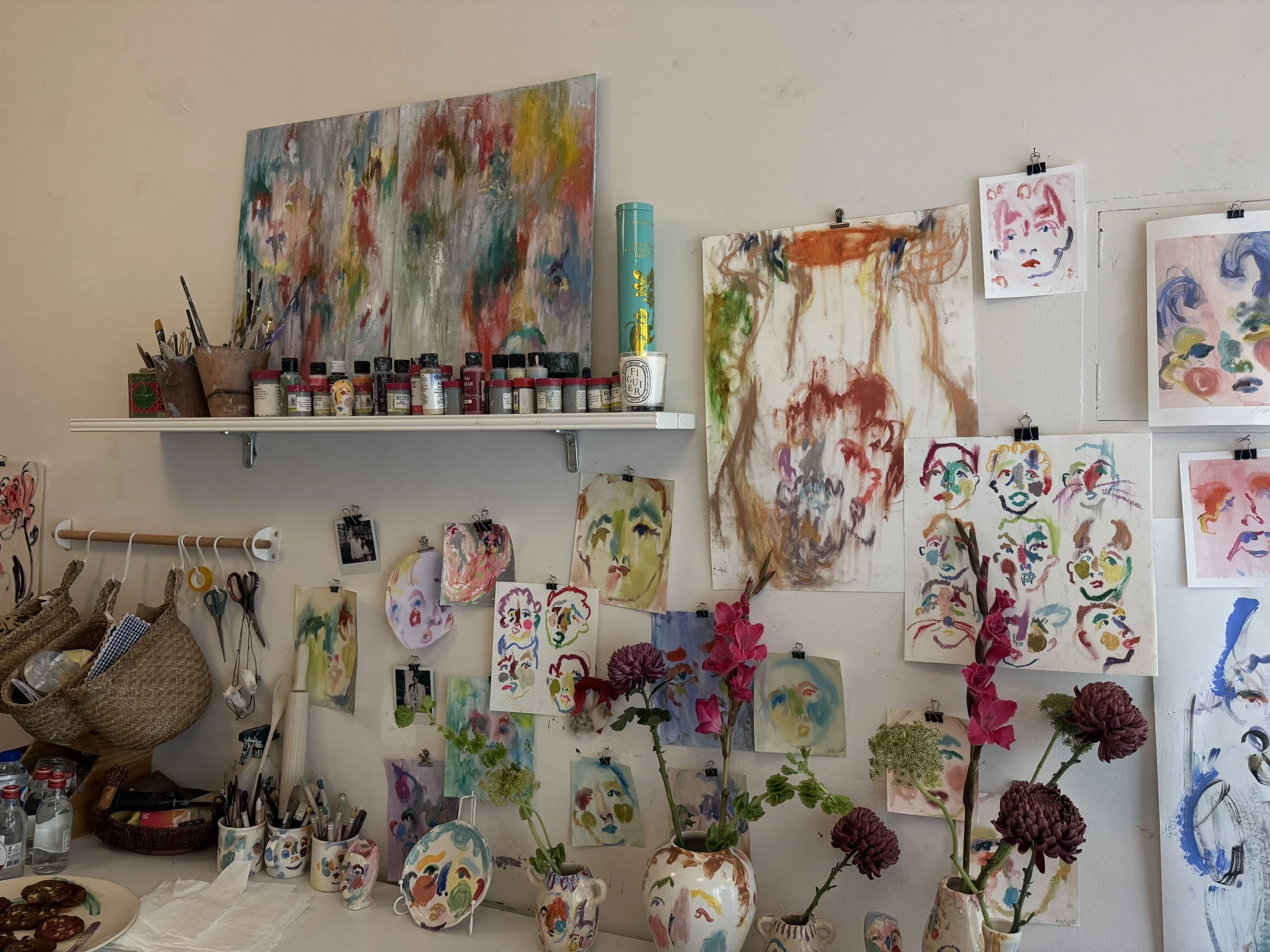
It was a conversation that came up repeatedly during our latest Brava gathering, a studio visit hosted by member Mairead Haldorsson, a painter and ceramicist, who welcomed us into her creative space for a Sunday afternoon of conversation, coffee, tea and the kind of exchange that is difficult to manufacture.
Different creative paths, surprisingly similar doubts
Around the table were women working across very different disciplines. A stylist, a brand builder, a storyteller, content creators and other creative professionals, each with their own experience, ambitions and understanding of what it means to make a living from their ideas.
You might expect a room full of accomplished women to be discussing their latest projects, sharing industry contacts or exchanging advice on how to get ahead. We did some of that. But the conversation kept returning to something much more personal.
Despite our different backgrounds, we seemed to share the same doubts. The difficulty of owning our creativity. The feeling that our work is never quite good enough, that we should be further ahead, or that we need to get everything right before allowing ourselves to be seen. Imposter syndrome, perfectionism and the fear of failing were familiar experiences around the room.
It was a reminder that professional experience does not necessarily come with professional confidence. You can be exceptionally good at what you do and still struggle to recognise the value of your own work.
Creative confidence is not built in isolation
There is a tendency to think of creativity as an individual pursuit. We associate it with the person in the studio, behind the camera, developing the concept or building the brand. But sustaining a creative career requires more than individual talent. It requires confidence, perspective, relationships and the ability to keep going when the work feels uncertain.
And these things are difficult to build in isolation.
Sometimes, hearing someone you admire articulate exactly the doubt you have been carrying is enough to change your perspective. Not because they have a solution, but because you realise the experience is not yours alone. Other times, a conversation introduces a new way of thinking about your work, a different perspective on a challenge or simply the reassurance that you are not the only person figuring things out as you go.
This is the value of bringing creative people together beyond their usual professional environments. Not another networking event where everyone is expected to present their most polished version of themselves, but a space where people can talk openly, exchange ideas and be understood by others who recognise the realities of their work.
More than a Sunday afternoon
At Brava, we believe that the relationships surrounding your professional life matter just as much as the work itself. Access to people who understand your ambitions, challenge your thinking and recognise your potential is not simply a social benefit. It is part of what allows people to build sustainable creative careers.
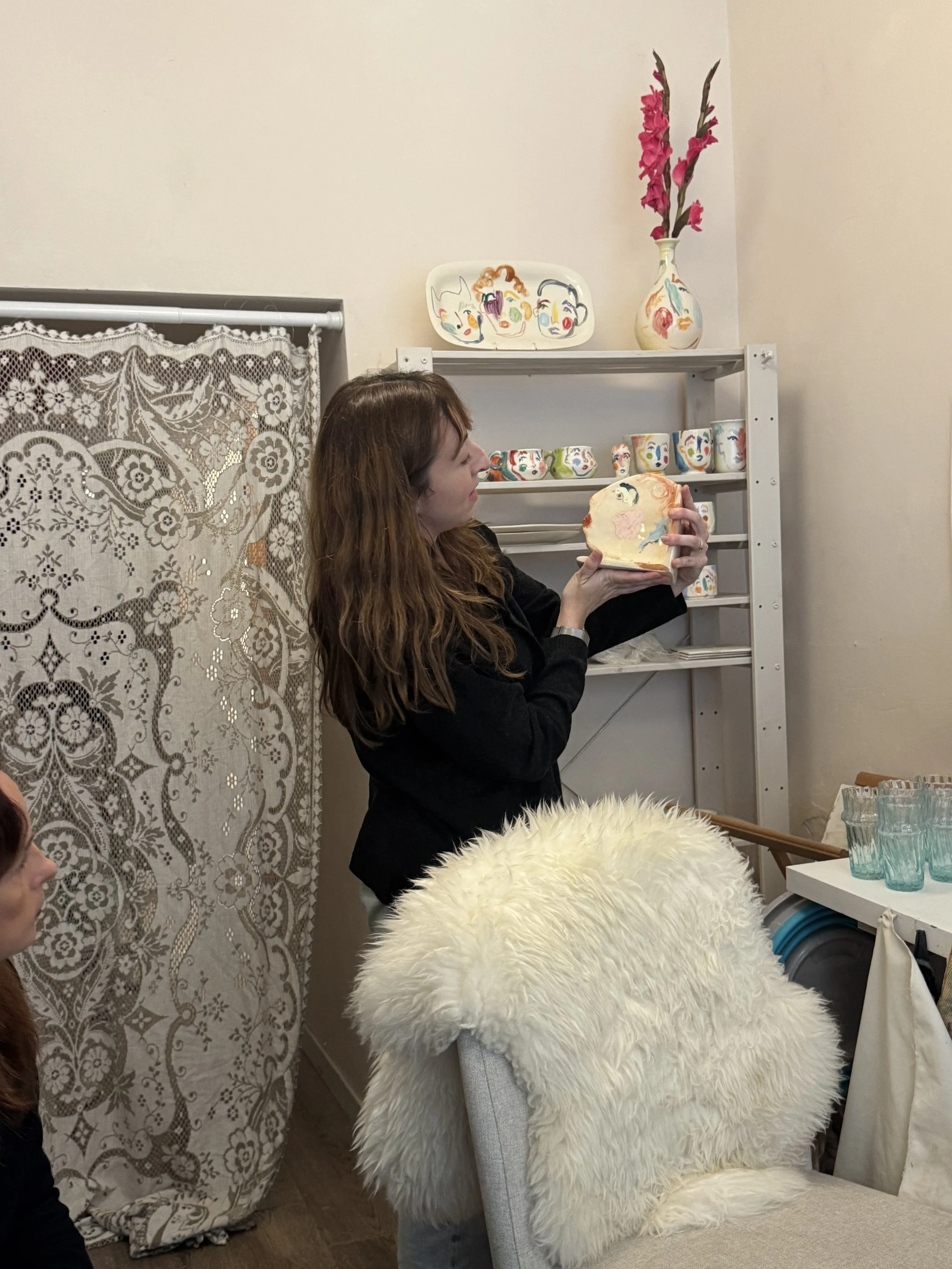
A studio visit is one expression of that. Being welcomed into another member's working world, seeing how she creates and having the opportunity to connect with women whose paths might otherwise never cross.
We left Mairead's studio with more than a lovely afternoon behind us. We left with a reminder that creative confidence is something we can build together, and that sometimes the most valuable thing you can hear from another person is that they are figuring it out too.
Because the point is not to have everything figured out before you walk into the room. It is to find a room where you can be honest about the fact that you haven't.