Fashion brands have always faced criticism, but the controversies of 2026 have touched on some of the industry's most sensitive issues: cultural appropriation, political identity, creative freedom, animal welfare and accountability.
From a $10,000 handbag that failed to credit traditional craftsmanship to a designer whose collaboration with Zara went ahead despite the cancellation of his planned Met exhibition, these incidents reveal just how complicated the relationship between fashion, business and public opinion has become.
Here are nine controversies that got the industry talking.
1. Patagonia Sued an Environmental Activist Over Her Name
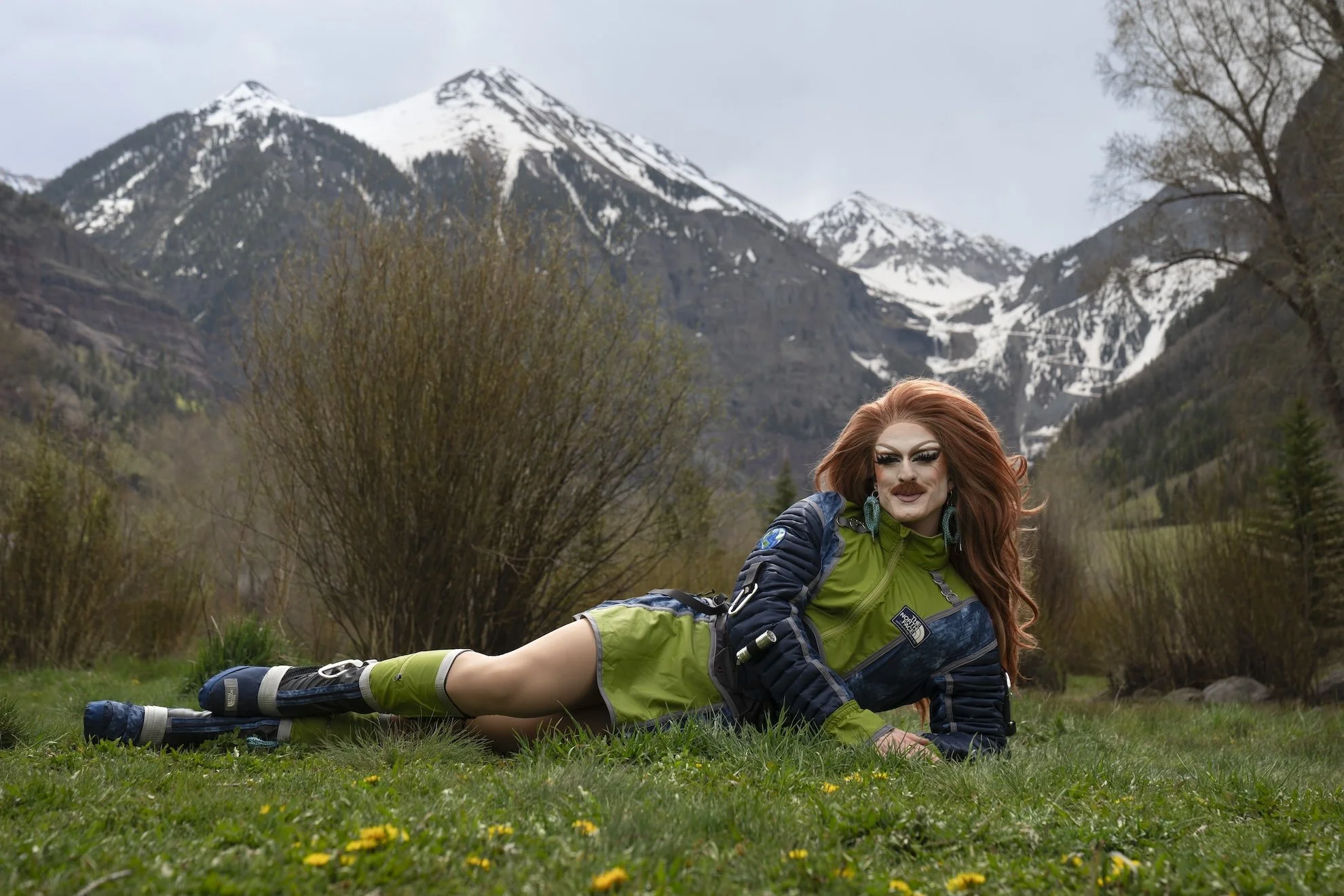
In January, Patagonia filed a trademark infringement lawsuit against environmental activist and drag performer Wyn Wiley, better known as Pattie Gonia. The outdoor brand argues that her name and merchandise use branding too similar to its own, potentially confusing consumers. Patagonia is seeking just $1 in damages, alongside legal costs and restrictions on the use of its trademarks. Wiley, who has raised millions for environmental causes, criticised the lawsuit, arguing that a company known for environmental activism was taking legal action against someone advocating for the same cause. The dispute raises an interesting question: when does protecting a brand's identity begin to conflict with the values it publicly promotes?
Getty Images
2. Lemaire's Fragrance Campaign Offended Chinese Consumers
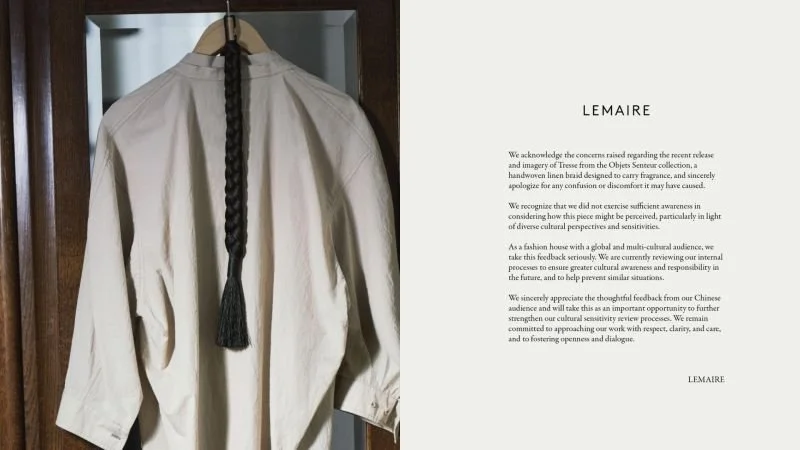
In April, French fashion house Lemaire faced criticism in China over imagery for its fragrance collection, Objets Senteur. One photograph featured a braided linen object alongside a traditional Chinese dress and a pair of scissors. Chinese consumers interpreted the imagery as referencing the Qing dynasty's queue hairstyle, which Han Chinese men were historically forced to wear under Manchu rule. The scissors added another layer of historical symbolism, as cutting the queue became associated with resistance. Lemaire removed the images and issued an apology. For a house known for its considered aesthetic and cultural references, the incident demonstrated how easily a creative concept can overlook the history behind its visual inspiration.
3. Prada Faced Boycott Calls Over Its New Ambassador
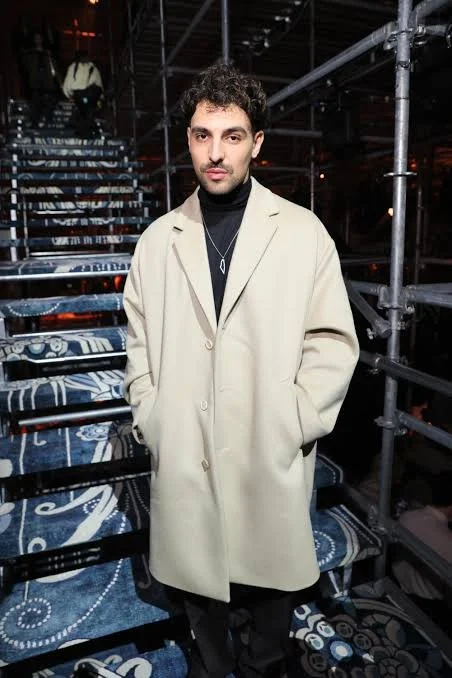
In July, Prada appointed Palestinian singer Saint Levant as a brand ambassador. The announcement triggered criticism from pro-Israel social media users after a promotional video showed the musician wearing a pendant depicting the outline of historic Palestine. Critics argued that the design erased Israel, while supporters defended it as an expression of Palestinian identity. Prada did not publicly comment on the backlash. The incident highlights the increasingly complicated position of global fashion houses: can a luxury brand remain politically neutral when the people representing it have political identities of their own?
4. A New York Fashion Week Protest Cost the CFDA CEO His Job
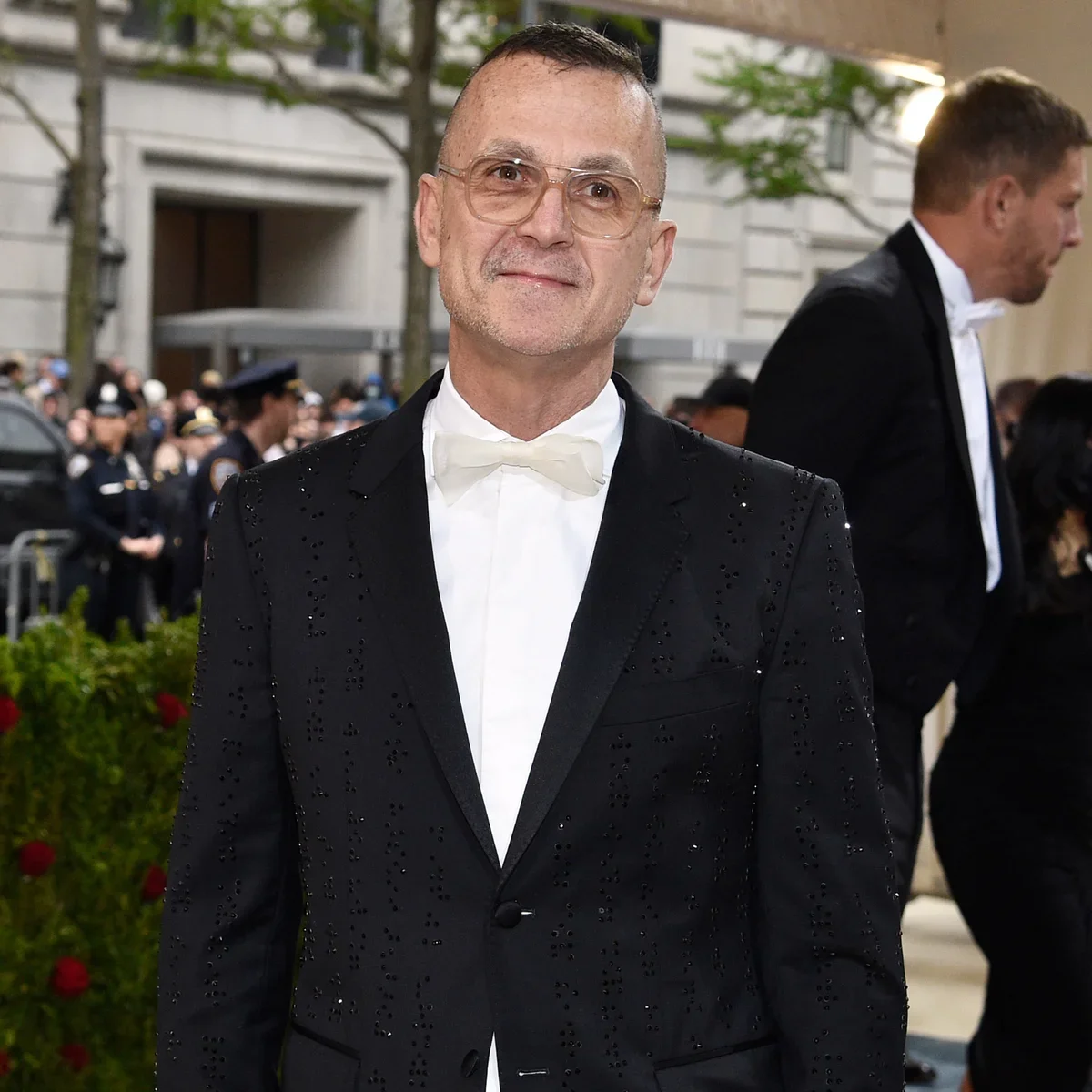
During a COS runway show at New York Fashion Week in September, animal rights activists interrupted the presentation to protest the brand's use of wool. The situation escalated when Steven Kolb, then CEO of the Council of Fashion Designers of America, physically restrained two protesters. Videos circulated online, showing him pushing one activist to the ground and covering her mouth. Kolb apologized, was placed on leave and resigned on September 18 after nearly 20 years leading the organization. What began as a protest about animal welfare became a much larger conversation about how the fashion industry responds to criticism.
5. Fendi's $10,000 Handbag Sparked a Debate About Cultural Appropriation
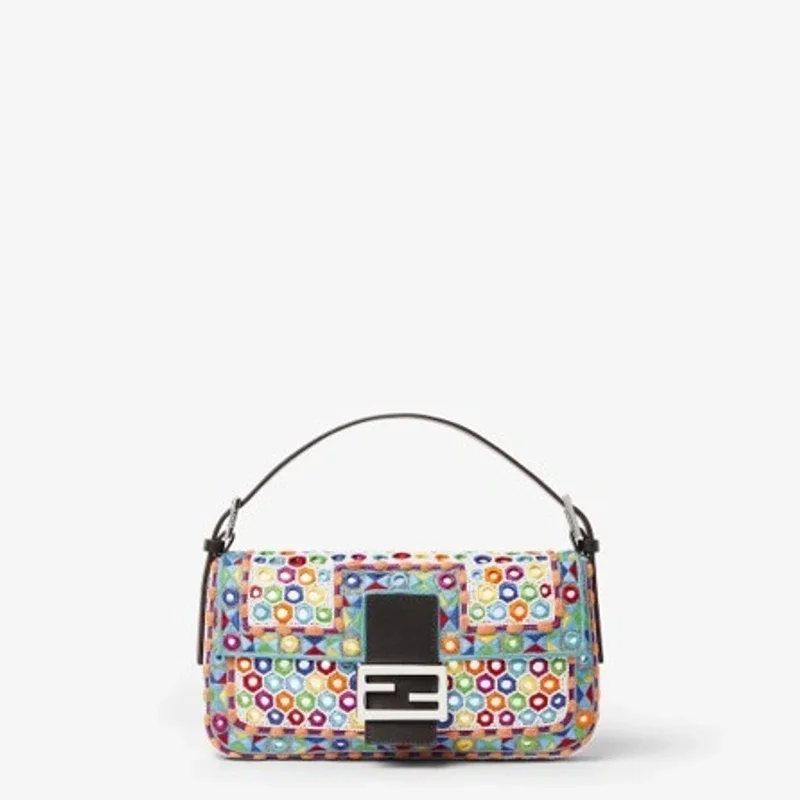
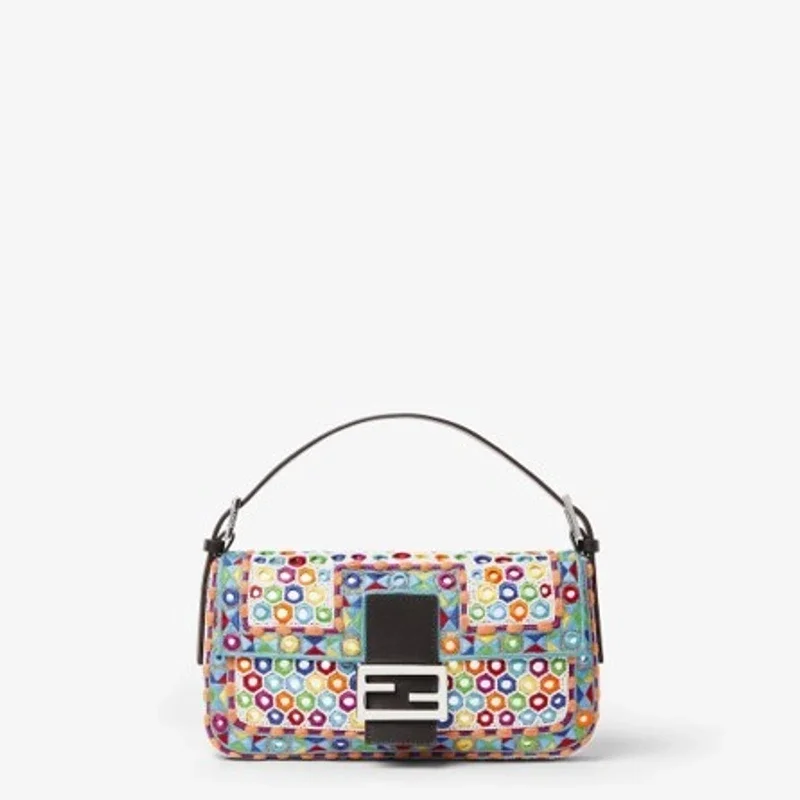
Fendi faced criticism in September over a reissued Baguette handbag featuring abhala bharat, a traditional South Asian mirror embroidery technique. Priced at approximately $10,000, the bag featured thousands of beads and hundreds of small mirrors, yet its product description did not acknowledge the craft or its cultural origins. The story became more complicated when it emerged that the bag was produced by Mumbai-based artisan collective Chanakya, which has worked with creative director Maria Grazia Chiuri for decades. The criticism was therefore less about the absence of artisans and more about the absence of recognition. If a luxury house is selling traditional craftsmanship at a premium, shouldn't it also give visibility to the people and traditions behind it?
6. Converse Pulled a Campaign Accused of Racist Imagery
Converse removed an advertisement featuring K-pop singer Karina in September after viewers criticised imagery they said resembled the Ku Klux Klan and lynching. The composition of the photograph, including a triangular shape created by lighting on her white skirt and the way she held a pair of sneakers, prompted the comparisons. Converse apologised, acknowledging that the images were deeply upsetting. The controversy was not simply about an advertising mistake. It raised questions about the internal approval processes of global brands and how an image can make it through multiple creative and marketing teams without someone recognising its potential implications.
7. The Met Cancelled John Galliano's Exhibition, But Zara Proceeded With Its Collaboration
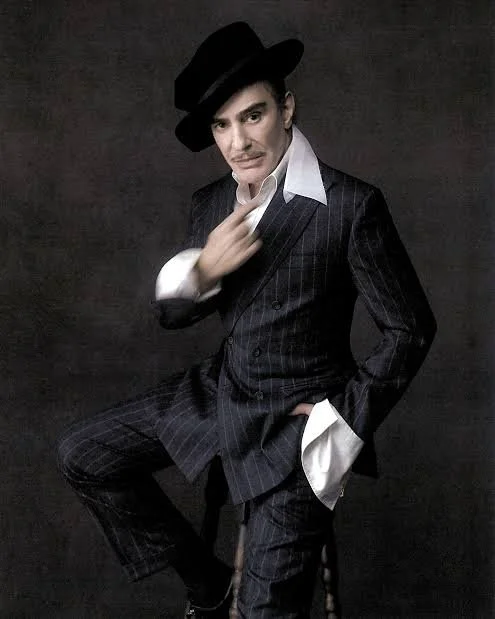
In August, the Metropolitan Museum of Art cancelled its planned exhibition dedicated to John Galliano following criticism of the designer's history of racist and antisemitic remarks. Galliano was convicted by a French court in 2011 following the incidents. Yet on October 1, Zara launched Re{form}, its first collection developed through a two-year creative partnership with the designer. The contrast was difficult to ignore: while one of fashion's most influential cultural institutions stepped away from celebrating Galliano's legacy, a major commercial retailer proceeded with the collaboration. It raises a question the industry has never quite resolved: does fashion forgive controversial talent when the commercial and creative value is high enough?
8. Victoria's Secret Was Sued Over a Model's Face
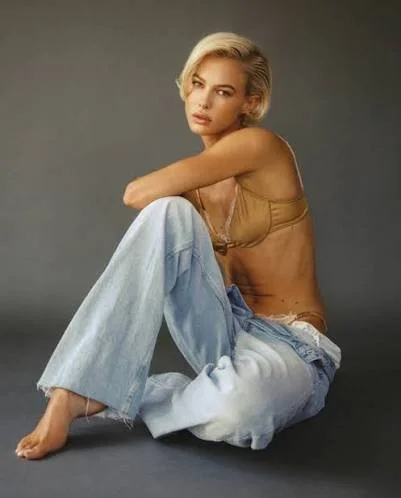
In September, model Sydney Roper filed a lawsuit against Victoria's Secret, alleging that the brand breached her modelling contract. According to the complaint, she had been hired as an unrecognisable parts model for a perfume campaign, with an agreement that less than 30% of her face would be visible. She alleges that the resulting Instagram advertisement showed approximately 95% of her face. The case highlights an often overlooked aspect of fashion marketing: how much control do models actually retain over their image once they sign a commercial contract? The allegations have yet to be established in court.
9. Adidas Took White Fox Boutique to Court Over Four Stripes
In October, Adidas launched legal action against Australian retailer White Fox Boutique, alleging that its clothing designs featuring four parallel stripes infringed the sportswear giant's famous three-stripe trademark. Adidas also challenged promotional imagery showing White Fox clothing alongside genuine Adidas sneakers, arguing that it could suggest an association between the brands. White Fox is defending the case, which is expected to proceed in 2027. The dispute raises an interesting question about ownership in fashion: when does taking inspiration from an established visual identity become infringement?

What These Controversies Tell Us About Fashion
Taken together, these incidents show an industry facing a different kind of scrutiny. A brand's reputation is no longer shaped exclusively by its collections, campaigns or creative direction. Its legal decisions, cultural references, commercial partnerships and internal processes are all part of the conversation.
Perhaps the biggest challenge for fashion in 2026 is not avoiding controversy altogether. It is understanding that the values a brand communicates publicly will increasingly be measured against the decisions it makes commercially.