Expensive Is Easy. Specific Is Hard.
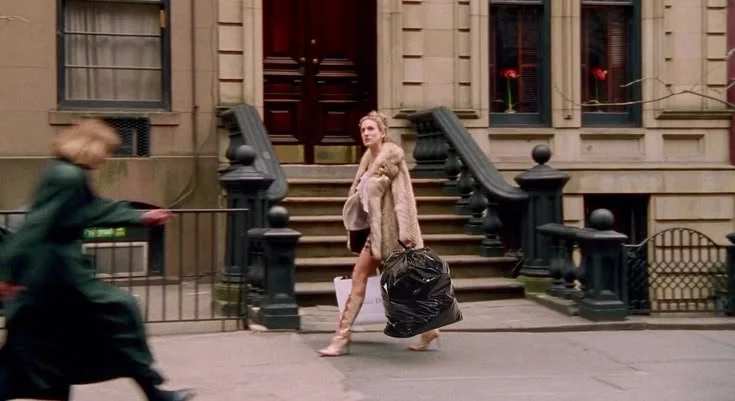
Expensive taste is relatively easy to learn. There are plenty of signals telling us what it’s supposed to look like: the bag, the watch, the hotel, the restaurant, the designer.
Informed taste is harder because there’s no shopping list. You have to get curious.
You have to look at enough interiors to understand what you respond to. Understand your wardrobe well enough to know that the bag everyone wants might make absolutely no sense in yours. Learn why one thing is better made than another. Try enough restaurants to realize that the impossible reservation might not actually be your favorite.
Expensive is easy. Specific takes a little more work.
BY ROSARIO FRANCO
We’re living in a moment when almost anyone can know what’s “cool.” Instagram tells you the handbag. TikTok tells you the restaurant. The algorithm tells you which chair to buy. By the time something has become the thing to have, you’ve probably already seen it ten times that week.
But what happens after we all have access to the same information?
I spend a lot of time around beautiful things, and it’s definitely an aspect of my life I don’t take for granted. I work in fine jewelry and live in New York City, where there is always a new restaurant to try, an exhibition to see, a brand to know, and something you’re supposedly meant to want. If anything, being around so much has only made me more curious about why I like certain things, why I gravitate towards them, and how those preferences shape my own sense of taste.
Lately, I’ve been thinking a lot about specificity, and how much more complex it is than simply having expensive taste.

It’s knowing what makes a restaurant one you’ll want to return to again and again. It’s commissioning something because you’ve developed a clear idea of what you want. It’s waiting for the vintage table that has the right proportions, material, and feeling for your space. More than anything, it’s understanding why something is good—and why it’s good for you—rather than simply knowing that it’s expensive.
Expensive taste is relatively easy to learn. There are plenty of signals telling us what it’s supposed to look like: the bag, the watch, the hotel, the restaurant, the designer.
Informed taste is harder because there’s no shopping list. You have to get curious.
You have to look at enough interiors to understand what you respond to. Understand your wardrobe well enough to know that the bag everyone wants might make absolutely no sense in yours. Learn why one thing is better made than another. Try enough restaurants to realize that the impossible reservation might not actually be your favorite.
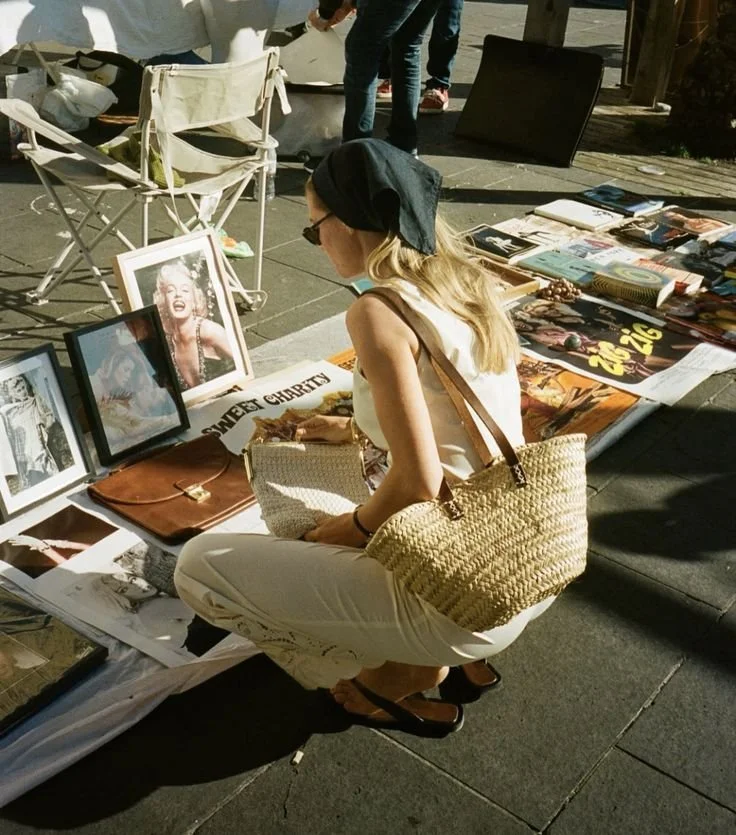
Some of the purchases I’m happiest with came after a lot of looking around, comparing, researching and, sometimes, waiting. Not necessarily because they were the most expensive option, but because by the time I bought them, I understood what I wanted and why.
Once you know what matters to you, you can also decide what doesn’t. Maybe you care enormously about art but couldn’t care less about designer shoes. Maybe you’ll spend months looking for the right dining table but happily buy inexpensive wine glasses. Maybe you’d rather have one extraordinary piece of jewelry than several fashionable ones.
The same goes for something as simple as dinner. The hardest reservation in town doesn’t automatically make for the best night. Sometimes the perfect dinner is eight people around a slightly-too-small table, somewhere with the coziest lighting and good food where you can actually hear each other speak.
Or something as big as a wedding. Instead of starting with what a beautiful wedding is supposed to look like, you can start with what kind of evening you actually want to have.
That’s what I like about specificity: it forces you to prioritize, be a much more informed consumer.
We’re constantly being told that something is an investment, a must-have, an icon, a future collectible, or the next big thing. Sometimes it is. Sometimes it’s just very good marketing.
The more you learn about what you’re buying, how it’s made, what materials are being used, where it comes from, what similar things cost, the easier it becomes to make that distinction.

The more you learn about what you’re buying, how it’s made, what materials are being used, where it comes from, what similar things cost, the easier it becomes to make that distinction.
Research doesn’t make beautiful things less romantic. If anything, knowing what you’re looking at makes finding something great even more satisfying.
The annoying part is that once you know what you want, you often have to wait for it.
It takes patience not to fill the space just because the space is empty, but that’s exactly the best wardrobes, homes, and experiences come together. Slowly, and with a little trial and error.
You learn what you gravitate toward. You learn what you actually use. And eventually, the things around you start to feel less like a collection of things you were told were good, and more like a reflection of what makes your own life beautiful, functional, and comfortable.
Expensive is easy. Specific takes a little more work.
And I think that’s what keeps life interesting.
BY ROSARIO FRANCO